Historical Sites

Casa Grande

Also known as the Castillo-Palacio de los Condes de Padul, or simply El Castillo, this 16th-century civil palace was built on the site of a fortified house.

Ermita de San Sebastián

The chapel houses a sculpture of the town’s patron saint, San Sebastián. It was built thanks to local donations. Construction of the eighteenth-century chapel was prompted by a plague that devastated the Lecrín Valley but spared Padul itself.

Estación del Tranvía (Oficina de Turismo)

The Padul tram station, which is now home to the Lecrín Valley Tourist Office, witnessed the inauguration of the important transport link between Granada and the south of the province on 10 February 1923.

Iglesia Santa María la Mayor

Dating to the sixteenth century, the church has undergone several modifications and restorations. The main nave's configuration corresponds to the original design, with the apse and two side naves being added later.

Ermita de la Virgen de las Nieves

The Ermita de la Virgen de las Nieves (Chapel of Our Lady of the Snows) was built in 1796 and, for most of the year, is home to the patron saint, Virgen de las Nieves.

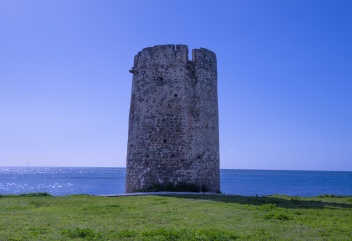
Torre de Rio Real, Marbella

The Rio Real watchtower is located near the south-western bank of the Rio Real, on raised ground. This land is now a bend in the A-7 coastal road. A few metres away, on its southern side, there were abandoned Civil Guard barracks. There is no documentation of a tower at the time of the Reconquest of Marbella in 1485, so it is assumed that this tower was built at the end of the 16th century as part of the Hapsburg defensive strategy, with later modifications.

Torre del Duque, Puerto Banus

This is a defensive watchtower from the XVI century. It takes its name from the Roman baths, which are about 50 metres to the west. It is one of a chain of towers along the coast built at that time to warn the locals of pirates and possible Moorish invasions from North Africa. It is slightly conical in shape, but less so than the others, and leads to a larger terrace, perhaps to accommodate larger artillery. Built of stone, not brick, it is 13m high and has a diameter of 8.3m at the base.

La Torre de las Bóvedas in Guadalmina

This is a defensive watchtower from the XVI century. It takes its name from the Roman baths, which are about 50 metres to the west. It is one of a chain of towers along the coast built at that time to warn the locals of pirates and possible Moorish invasions from North Africa. It is slightly conical in shape, but less so than the others, and leads to a larger terrace, perhaps to accommodate larger artillery. Built of stone, not brick, it is 13m high and has a diameter of 8.3m at the base.

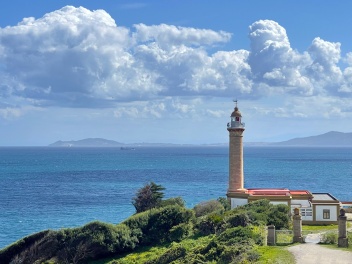
Punto Carnero Lighthouse, Algeciras

Nestled on the headland west of Getares, in the southern district of Algeciras, Punto Carnero and its historic lighthouse offer visitors a breathtaking experience of the Strait of Gibraltar. This scenic spot is one of the most remarkable coastal viewpoints in the region, boasting unparalleled panoramas of the iconic Rock of Gibraltar and the distant mountains of North Africa. Whether you are drawn by the dramatic landscapes, the historical significance of the lighthouse, or the serenity of nature, Punto Carnero is a must-visit destination.

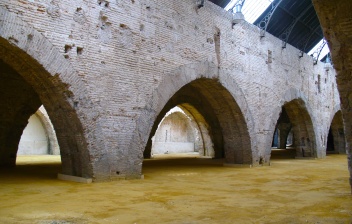
Atarazanas de Sevilla

The Atarazanas are Seville’s medieval Royal Shipyards in the Arenal district, formerly the port area. They are located about halfway between the Alcazar palace and the river, on the corner of calle Temprano and calle Dos de Mayo. The shipyards are currently closed to the public (January 2025), although long-standing plans for a cultural centre are predicted to be finished soon.