Parks
Antequera offers green spaces that combine nature and history.
Antequera offers green spaces that combine nature and history.
Torcal de Antequera is a natural area known for their unusual limestone rock formations
The Archivo Histórico Municipal houses a large collection of historical documents, including manuscripts and printed books dating from the 15th to the 20th century, offering resources for researchers and historians.
Torcal de Antequera is a natural area known for their unusual limestone rock formations
Just outside Antequera you can visit three 5,000-year-old dolmens: Menga Dolmen (the largest in Europe) and Viera Dolmen, which are both located just outside the town, while El Romeral Dolmen is a few km away. These three prehistoric burial chambers represent some of the largest and most complete megalithic structures in Europe.
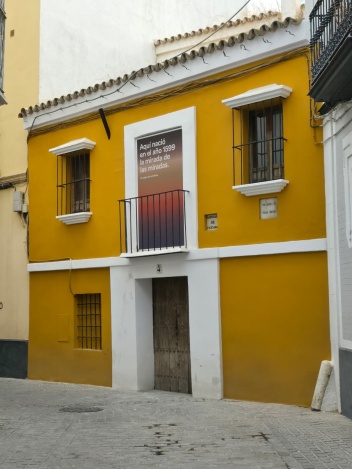
Casa Natal de Velazque, is the birthplace of the famous influential painter, Diego Velázquez. The building is soon to be turned into a museum.
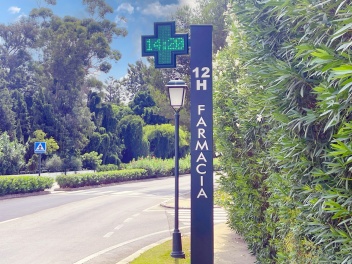
There are Chemists/Farmacias in Estepona town and wider municipal district. They are open mornings and afternoons Monday to Friday and on a Saturday morning.
There are seven different hairdressers in or near Sotogrande. They are open mornings and afternoons from Monday to Saturday. Below we list the principal hairdressers in Sotogrande with contact details and a short description from their websites.
Torre Alcon - in the sand dunes of Artola, a square tower near Cabopino marina.
Torre Ladrón - in the sand dunes of Artola, a square tower near Cabopino marina.
Torre del Rio Real - next to the A-7 coast road just east of Marbella town
The Rio Real watchtower is located near the south-western bank of the Rio Real, on raised ground. This land is now a bend in the A-7 coastal road. A few metres away, on its southern side, there were abandoned Civil Guard barracks. There is no documentation of a tower at the time of the Reconquest of Marbella in 1485, so it is assumed that this tower was built at the end of the 16th century as part of the Hapsburg defensive strategy, with later modifications.
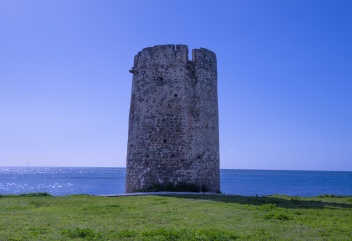
This is a defensive watchtower from the XVI century. It takes its name from the Roman baths, which are about 50 metres to the west. It is one of a chain of towers along the coast built at that time to warn the locals of pirates and possible Moorish invasions from North Africa. It is slightly conical in shape, but less so than the others, and leads to a larger terrace, perhaps to accommodate larger artillery. Built of stone, not brick, it is 13m high and has a diameter of 8.3m at the base.
This is a defensive watchtower from the XVI century. It takes its name from the Roman baths, which are about 50 metres to the west. It is one of a chain of towers along the coast built at that time to warn the locals of pirates and possible Moorish invasions from North Africa. It is slightly conical in shape, but less so than the others, and leads to a larger terrace, perhaps to accommodate larger artillery. Built of stone, not brick, it is 13m high and has a diameter of 8.3m at the base.
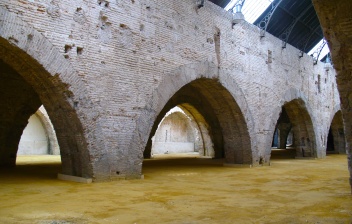
The Atarazanas are Seville’s medieval Royal Shipyards in the Arenal district, formerly the port area. They are located about halfway between the Alcazar palace and the river, on the corner of calle Temprano and calle Dos de Mayo. The shipyards are currently closed to the public (January 2025), although long-standing plans for a cultural centre are predicted to be finished soon.
There are five different Chemists/Farmacias in or around Sotogrande. They are open mornings and afternoons Monday to Friday and on a Saturday morning. The five operate a 'farmacia de guardia' / night duty rota between them so that there is always a farmacia open 24/7 within a short drive from Sotogrande. The rota is explained below.
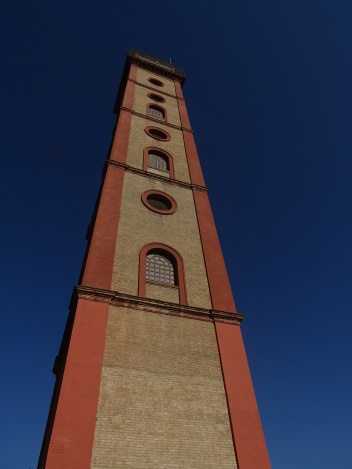
Torre de Perdigones is a 45-metre-tall square brick tower near the Puente de la Barqueta with a dual purpose for visitors: as part of the Macarena district’s industrial heritage, and also sd a camara oscura (and viewing point) providing superb vistas of Seville.
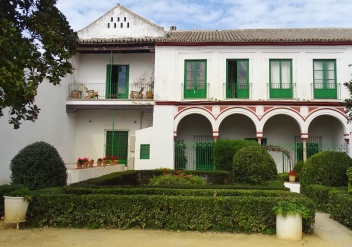
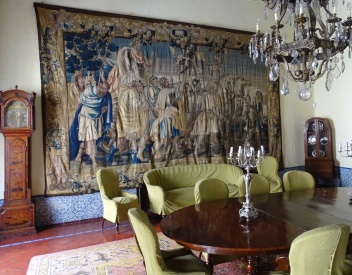
Seville has its fair share of magnificent family-owned palaces – In summer 2023, another such monument opened to the public for the first time: Palacio Bucarelli.
Montecorto village as a municipal district was formed as recently as October 2014. It had been part of the municipal district of Ronda. Montecorto has about 600 inhabitants. The origins of Montecorto go back to the Neolithic age, when it was associated with small agricultural communities that settled here due to the fertile land, abundance of water, and other important resources such as flint-stone which was used as tools.
Serrato as a municipal district was formed as recently as December 2014. Until then it was part of the municipal district of Ronda. It has about 470 inhabitants.Its origins of Seratto date back to the Neolithic era, when small agricultural communities settled here due to the fertile land and the abundance of water. It was in the Roman and Arab period that it grew in importance, particularly Serrato village, which was a Roman town.