Main Sights

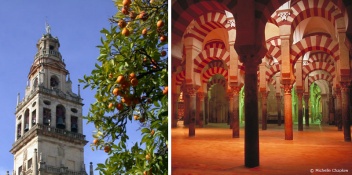
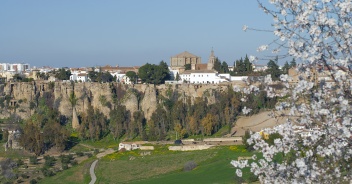
Mosque - Cathedral of Córdoba city

The Mezquita (Mosque) dates back to the 10th century when Córdoba reached its zenith under a new emir, Abd ar-Rahman III who was one of the great rulers of Islamic history. At this time Córdoba was the largest, most prosperous cities of Europe, outshining Byzantium and Baghdad in science, culture and the arts. The development of the Great Mosque paralleled these new heights of splendour.

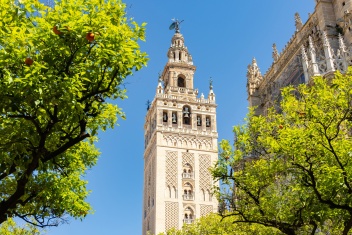
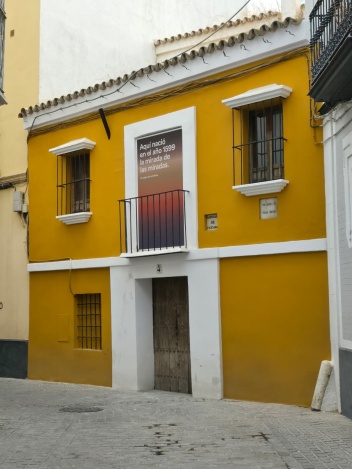
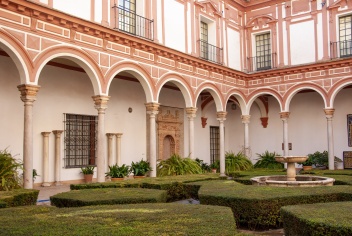
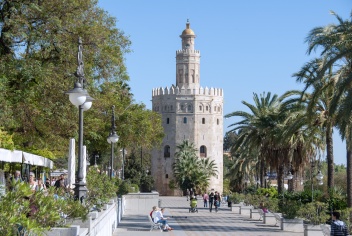
Top 10 sights in Seville

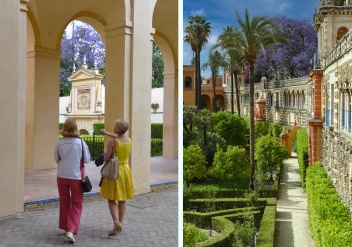
As the capital of Andalucia, Seville has a wealth of history, culture and gastronomy to offer. From Roman and Moorish delights to contemporary architecture and interactive museums, you'll have plenty to keep you busy on your visit to La Hispalense.

Torre de Rio Real, Marbella

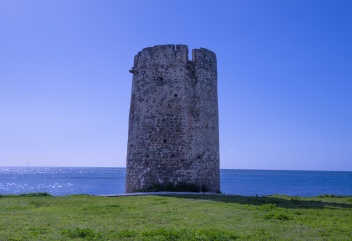
The Rio Real watchtower is located near the south-western bank of the Rio Real, on raised ground. This land is now a bend in the A-7 coastal road. A few metres away, on its southern side, there were abandoned Civil Guard barracks. There is no documentation of a tower at the time of the Reconquest of Marbella in 1485, so it is assumed that this tower was built at the end of the 16th century as part of the Hapsburg defensive strategy, with later modifications.

Torre del Duque, Puerto Banus

This is a defensive watchtower from the XVI century. It takes its name from the Roman baths, which are about 50 metres to the west. It is one of a chain of towers along the coast built at that time to warn the locals of pirates and possible Moorish invasions from North Africa. It is slightly conical in shape, but less so than the others, and leads to a larger terrace, perhaps to accommodate larger artillery. Built of stone, not brick, it is 13m high and has a diameter of 8.3m at the base.

La Torre de las Bóvedas in Guadalmina

This is a defensive watchtower from the XVI century. It takes its name from the Roman baths, which are about 50 metres to the west. It is one of a chain of towers along the coast built at that time to warn the locals of pirates and possible Moorish invasions from North Africa. It is slightly conical in shape, but less so than the others, and leads to a larger terrace, perhaps to accommodate larger artillery. Built of stone, not brick, it is 13m high and has a diameter of 8.3m at the base.

El Cable Teleferico

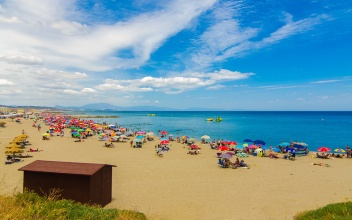
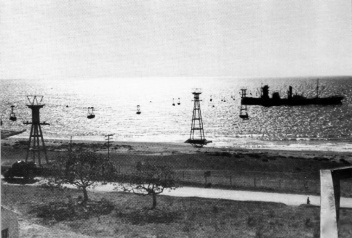
Playa el Cable (Cable Beach) takes its name from the overhead cable "El Cable Teleferico" runway that transported buckets of iron ore down from the Peñoncillo mine on the Sierra Blanca to ships moored offshore. If you look out to the sea you can't miss seeing the large anchor end tower of the line.

Six Marbella Watchtowers

There are about 100 different watchtowers (Torre Vigia or Torre Atalaya or Torre Almenara) along the coast of Southern Spain. Some are of Moorish origins others from date from the later Christian re-conquest period. All with the purpose of looking out for invaders from the South. They have lasted the centuries with remarkable strength.

Plaza Bocanegra

The square - or rather a traffic roundabout - at the start of the Golden Mile was named after one of Marbella's founders, local priest Monseñor Rodrigo Bocanegra (1908-1972).