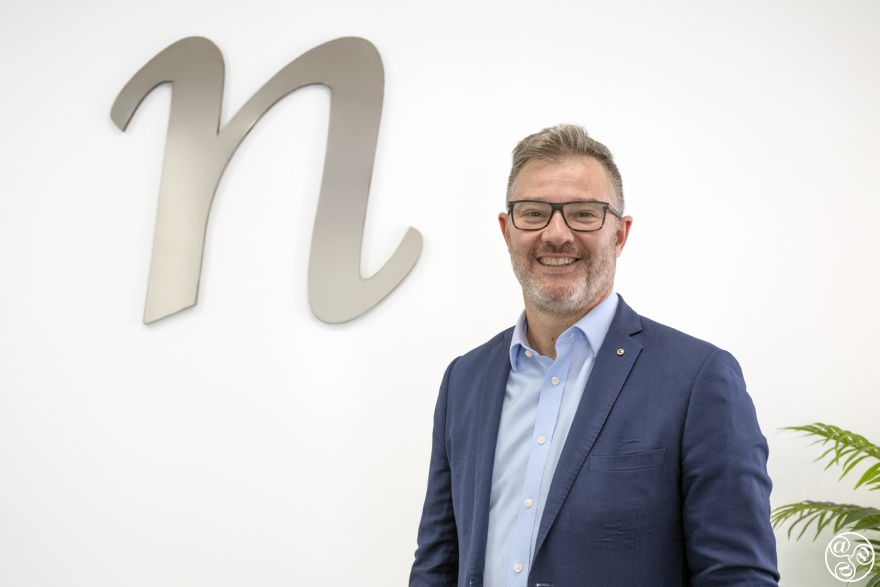
 In conversation with Javier Jurado
Bridging Two Worlds: An Interview with Javier Jurado, Bilingual Lawyer at Nockolds
Page Sponsored by Nockolds
For many people living in Andalucía, life can involve navigating two worlds. A home in Spain may sit alongside family, property or business interests in the UK, bringing with it a set of legal questions that can cross borders as easily as people do. Javier Jurado has a foot firmly in both jurisdictions. A Spanish Abogado and English Solicitor, he has spent his career working with clients whose lives and interests span Spain and the UK. . As Nockolds establishes a new presence in Estepona, we caught up with Javier to talk about his work as Head of the International team at Nockolds, the realities of cross-border life, and some of the legal issues that can arise for the international community living in Andalucía.
As Nockolds establishes a presence in Estepona, we caught up with Javier to talk about his work as Head of the International team at Nockolds, the realities of cross-border life, and some of the legal issues that can arise for the international community living in Andalucía.
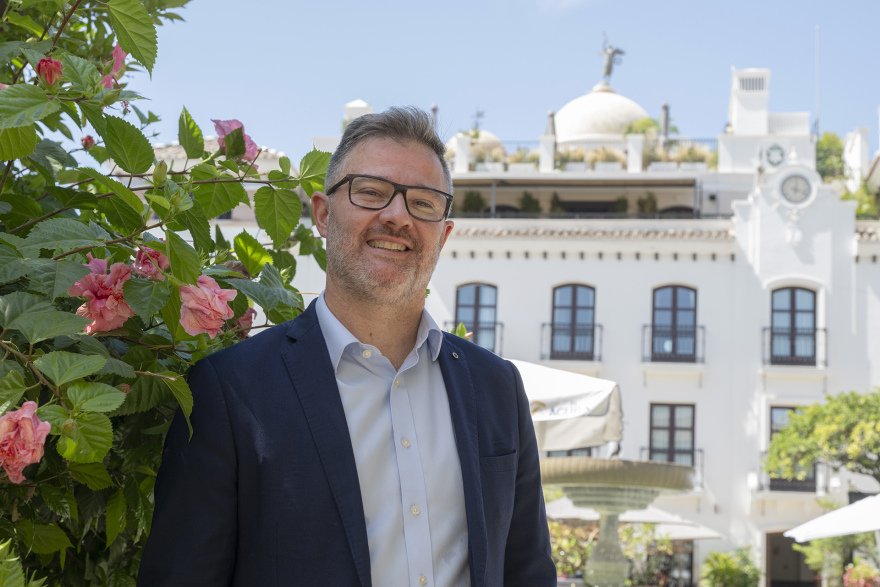 Javier Jurado Nockolds Lawyers in Spain
Andalucia.com: Javier, for readers who may not know Nockolds, can you tell us a little about the firm and your role within it?
Javier Jurado: We are a long-established English law firm providing legal services to individuals and businesses, covering most areas of law. We have offices in Bishop’s Stortford and London in the UK, and through our Spanish subsidiary, Nockolds Lawyers Spain, we also have an office in Estepona. Our Spanish Desk offers legal advice in both England and Spain, and we specialise in cross-border matters between the two jurisdictions. My role is to act as a bridge between our UK and Spanish teams, coordinating cross-border matters and ensuring that our clients receive the same high standard of legal advice and service in Spain as they do in England.
AC: Nockolds is well established in England but is now expanding its presence in Spain. Why was Estepona chosen as the location for the firm’s new Spanish base?
Javier Jurado: We originally opened our Spanish office to provide continuity of service to existing clients with connections to Spain. We initially considered several locations along the Costa del Sol. However, after our first trip to Estepona, we immediately felt that it was the perfect fit for us. I had visited Estepona many times with my family as a child and have many happy memories here, so it already held a special place for me. When I returned with my colleagues, Lynn and Darren, they shared the same feeling that Estepona was the right location for the firm, and that was it.
AC: What are the most common legal issues you see affecting British people who live in, or are moving to, Andalucía?
Javier Jurado: I would say there are three main areas, although not necessarily in this order: residency and visas, property matters, and estate planning. In terms of residency, the situation changed dramatically after Brexit. When it comes to property in Spain, buying or letting, the legal system differs from that in England and it is key to have independent legal advice from an early stage. Then, estate planning helps to ensure your affairs are properly organised across both jurisdictions. We find these areas become connected over time. Someone may buy a holiday home and later decide to relocate permanently, or they may realise that owning assets in Spain means they also need to review their estate planning in both countries. That is why it is so important to look at the bigger picture, and we are able to assist clients with all these areas.
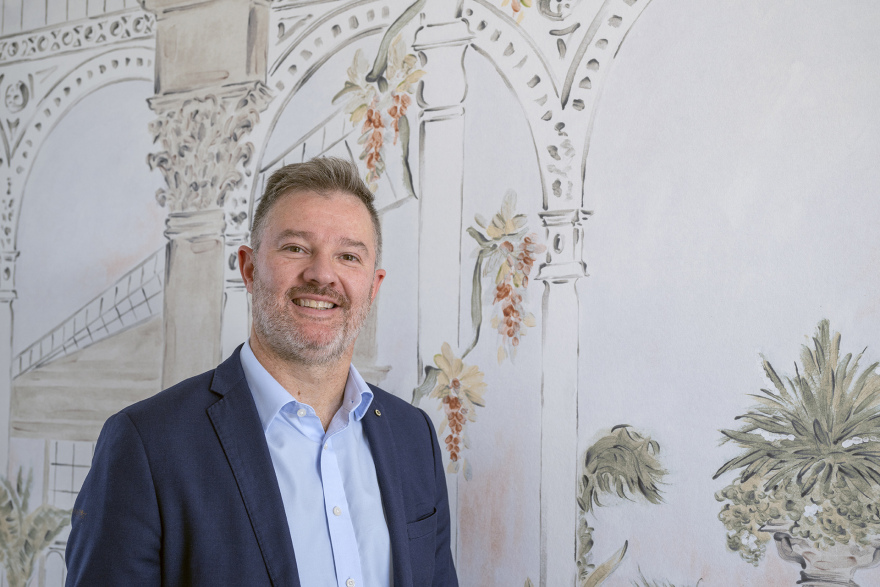 Javier Jurado Nockolds Lawyers in Spain
AC: For someone buying a property in Spain, what legal issues should they be thinking about before they sign a reservation agreement or pay a deposit?
Javier Jurado: The most important thing to avoid legal issues is to instruct an independent lawyer from the very beginning. Ideally, buyers should not sign a reservation agreement or pay any money towards the property until their lawyer has carried out the necessary due diligence searches and confirmed that everything is in order. The reality is that we do see cases where clients have already paid a deposit before seeking legal advice, only for us to discover legal issues with the property afterwards. At that stage, recovering the deposit can be difficult if they decide not to proceed with the purchase.
AC: Many British residents in Andalucía have family, property or financial interests in both countries. What are the key cross-border legal considerations they should be aware of?
Javier Jurado: This will depend on each client's circumstances, but anyone with interests in both Spain and the UK should think about estate and financial planning, as well as obtaining specialist tax advice, particularly if they are becoming tax resident in Spain. There may also be family law implications, for example in relation to divorce, money or child arrangements. In matters where both countries may have jurisdiction, it is important to seek advice at an early stage to determine which jurisdiction is most advantageous for the client and where any proceedings should be commenced. We should also take into account practical issues, such as putting in place lasting powers of attorney or their Spanish equivalent. If someone owns assets or runs a business in both countries, it is also important to consider how the two legal systems interact. Once again, taking advice at an early stage can help avoid unexpected issues and ensure everything is structured properly from the outset.
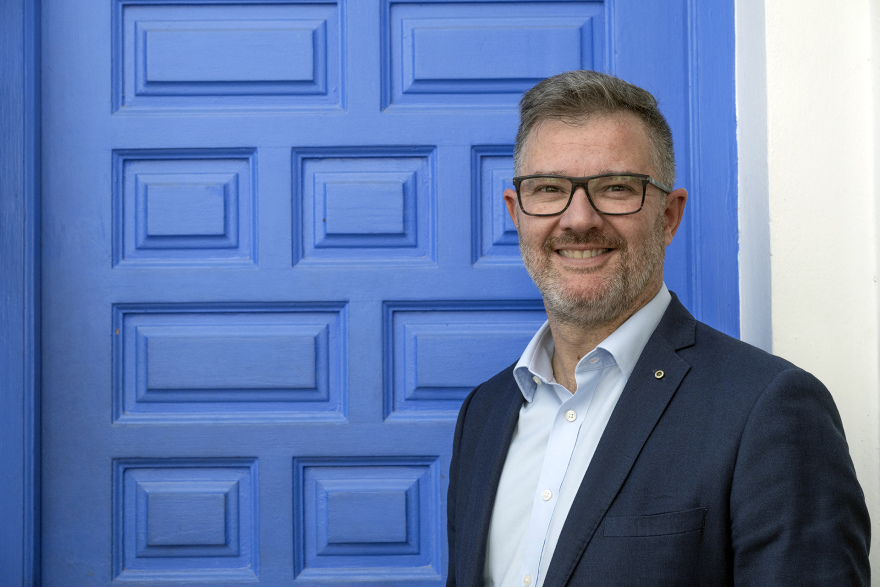 Javier Jurado Nockolds Lawyers in Spain
AC: How can Nockolds help clients who need to navigate both Spanish and English legal systems, rather than dealing with each country separately?
Javier Jurado: We have legal professionals in both England and Spain who are experts in their respective fields and understand the legal systems in both jurisdictions. We provide seamless advice and coordinate matters across both countries, rather than clients having to deal with separate advisers. We are familiar with the legal, practical and cultural challenges that can arise on both sides, and our aim is to make the process as straightforward as possible for our clients.
AC: What are some of the biggest misconceptions British expatriates have about Spanish law and how it differs from the law in England and Wales?
Javier Jurado: There are many differences between the English and Spanish legal systems, so it is easy for people to assume that the same legal concepts exist in both countries when they often do not. For example, an English trust does not have a direct equivalent under Spanish law, which can have important implications for tax and estate planning. Another common misconception is that Spanish law will always govern the succession of assets in Spain. In fact, depending on the circumstances and the terms of the will, English law may apply to the succession instead. Tax is another area where people are often surprised. For example, inheritance tax operates very differently, with beneficiaries of assets in Spain being personally liable for any tax due. These are just a few examples, but they show why it is important not to assume that what applies in one country will apply in the other.
AC: With Estepona and the wider Costa del Sol continuing to attract international buyers and investors, what legal challenges do you think clients should be particularly aware of?
Javier Jurado: One of the biggest challenges is keeping up with changes in legislation and regulation. Spain's legal framework, particularly in areas such as property, taxation, urban planning, and short-term rentals, continues to evolve, and these changes can have a significant impact on both buyers and investors. What may have been a sound investment a few years ago may now be subject to different rules or additional obligations. For international clients, it is also essential to understand that legal requirements can vary not only at national level but also between autonomous communities and municipalities. We provide legal advice from the outset avoiding potential risks and helping clients to invest with confidence.
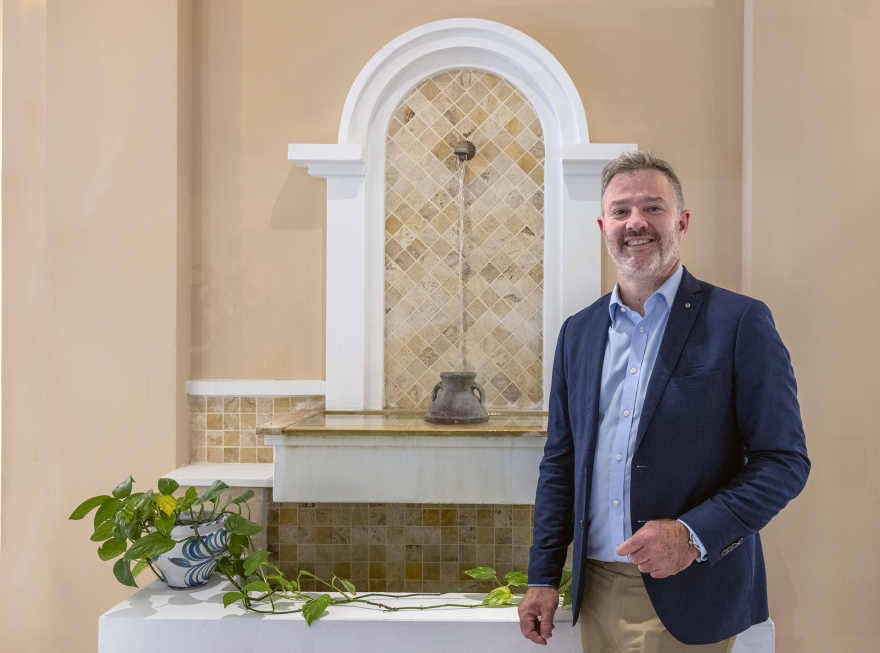 Javier Jurado Nockolds Lawyers in Spain
AC: Does Nockolds work only with British clients, or do you also advise Spanish nationals and other international clients with connections to the UK?
Javier Jurado: We are an international law firm, and our clients come from a wide range of backgrounds and nationalities. While we have a strong connection with both the UK and Spain, and we regularly advise British and Spanish clients, our work is not limited to those groups. If a client speaks English or Spanish and has a legal matter connected with either jurisdiction, we are able to provide guidance and support, regardless of their nationality. Our aim is to offer a seamless service to anyone requiring advice on UK-Spain related legal issues.
AC: For entrepreneurs and business owners operating between Spain and the UK, what kinds of legal support can an international law firm such as Nockolds provide?
Javier Jurado: We are well placed to support entrepreneurs and businesses operating between Spain and the UK because we provide integrated legal advice across both jurisdictions. In the UK, we have highly experienced teams covering all the key areas a business may require, including corporate and commercial law, commercial property, employment, and other business-related legal services. We are also continuing to develop our corporate offering in Spain. We can advise and assist clients with setting up companies, navigating the legal and regulatory framework, and providing ongoing legal support for their business activities. The real advantage for clients is that they receive coordinated advice from a single international law firm, rather than having to instruct separate advisers in each country.
AC: How important is it for international clients to have lawyers who understand not just the law, but also the practical and cultural differences between doing business in Spain and the UK?
Javier Jurado: Everyone expects their lawyers to have the knowledge and experience to provide clear, practical legal advice. However, when dealing with cross-border matters, understanding the cultural and commercial differences between jurisdictions is just as important. The UK and Spain have different legal systems, business practices, and ways of approaching negotiations and transactions. Having lawyers who understand both jurisdictions means we can bridge those differences and provide advice that is not only legally sound but also commercially and culturally appropriate. We understand both the English and Spanish legal and business environments, and we can anticipate potential misunderstandings, overcome practical challenges, and make cross-border transactions as straightforward as possible.
AC: What advice would you give to someone who has lived in Andalucía for years but has never reviewed their Spanish and UK wills, estate planning or succession arrangements?
Javier Jurado: We always advise our clients to review their Wills and succession arrangements, particularly where they have assets in both Spain and the UK. We also recommend having separate Wills covering assets in each jurisdiction. The key point is that the Spanish and English Wills must work together effectively and be carefully drafted to ensure they do not contradict or unintentionally revoke each other. It is also important to consider the choice of law, particularly for those who can benefit from the principle of freedom of testamentary disposition available under English law. In terms of estate planning, we consider structures and strategies that may help minimise tax exposure, with a view to ensuring that assets pass according to the client's wishes and avoid unexpected outcomes for beneficiaries. For example, if a British national who is resident in Spain and dies without having made a Will, Spanish succession rules may apply, including the forced heirship provisions that would limit how the estate is distributed.
AC: What makes Nockolds different from a traditional Spanish law firm or an English law firm advising clients remotely from the UK?
Javier Jurado: What makes Nockolds different is our ability to provide genuinely integrated legal advice across both the UK and Spain. Although we have offices in two countries, our clients benefit from one coordinated team and one seamless approach. We combine technical legal expertise with a deep understanding of the cultural, commercial, and practical differences between the UK and Spain. This allows us to anticipate challenges, overcome barriers, and provide advice that is both legally robust and tailored to each client's individual circumstances.
Nockolds Lawyers Spain
Finally, for Andalucia.com readers who may need legal advice in Spain, the UK, or across both jurisdictions, what would you say to someone considering contacting Nockolds for the first time?
Javier Jurado: I would say that we are here to help. We are a very approachable firm, and one of the things that defines our team is that we genuinely enjoy what we do and take great pride in helping people during important stages of their lives. Whether someone is looking to relocate to Spain, make their dream of living here a reality, or they are already established in Spain and need legal advice, we understand that these matters often involve important personal and professional decisions. We are flexible, proactive, and always happy to have an initial conversation to understand each client's circumstances and discuss how we can best assist. For us, building a relationship based on trust and providing a personalised service is at the heart of what we do.
Questions about Andalucia
AC: What is your favourite restaurant or tapas bar in Estepona?
Javier Jurado: Las Gitanillas. The food is excellent and the staff always make you feel at home.
AC: Do you have a favourite Andalucían ingredient or special dish?
Javier Jurado: My dad is from Córdoba, so I would have to say salmorejo cordobés. It is a dish I have enjoyed since I was a child, and it is still one of my favourites.
AC: What is your favourite place to escape to in Andalucía?
Javier Jurado: Any unspoilt beach along the Cádiz coast.
AC: Tell us, in five words, what Andalucía means to you.
Javier Jurado: A better life is possible.
Opening hours for Nockolds
Monday to Friday - 9 am until 5 pm
Saturday and Sunday - closed
Contact information
https://nockolds.com
Tel: (+34) 951 552 254
Office Location
Nockolds Lawyers Spain S.L., Plaza de los Misioneros, 29680 Estepona (Málaga).