Carnival

Granada City Carnival

The Granada Carnival, along with those of the provincial towns, are among the least publicised, but they do take place. The festival usually lasts about a week in the provincial capital and starts well after Shrove Tuesday. It includes the usual singing contests that are held in theatres and other venues. There is also plenty of activity in the streets of Granada (a city that is famous for its "tapa" appetisers that accompany drinks at no extra charge), including a parade.
Malaga City Carnival

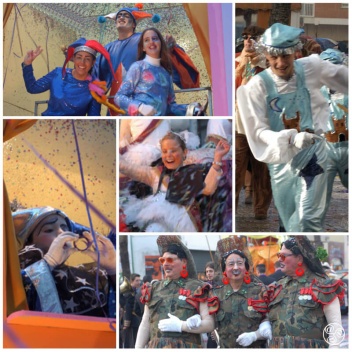
From 1937 to 1977, the people of Málaga kept their costumes packed away and refrained from meeting to practice and enjoy the old carnival tunes together - much less organise any traditional parades or other celebrations. This was due to the prohibition issued by Franco and strictly enforced in this area.

Carnivals

Spain is a country with a well known Catholic tradition. The carnival is, therefore, celebrated before the 40 days of Lent as a way to let loose before the prohibitions of the upcoming religious holidays. Most Andalucian towns stage a parade, and a dance and a "Carnival Queen" and other singing contests.

Cadiz Carnival - Fascinating Fact 3 - Dress up

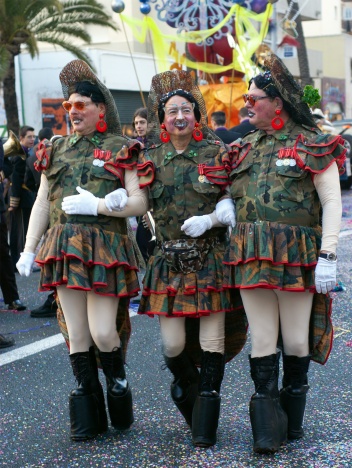
Costumes at the Cadiz Carnaval are about more than doing clever things with face paint and papier mache; they are social levellers. Going back centuries, disfraces were essential in breaking down social barriers, helping classes to come together, providing freedom from repression. People could let loose, follow their instincts, dress up as duchesses or peasants, or fantastical creatures.

Jaen City Carnival

The City of Jaen organises a full calendar of carnival events. This is a carnival with six centuries of history behind it with a man named Condestable Iranzo credited with founding the events in this part of Andalucia. As in other areas, it was prohibited for many years during Franco's rule of Spain, but today the Jaen Carnival is going strong.