Hotels in Sevilla

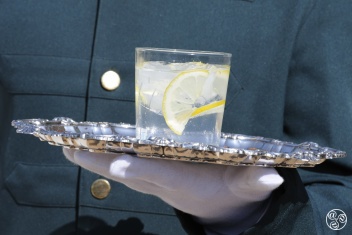
Hotels in Seville come in a variety of styles to fit all budgets. There are plenty of rooms all over the centre. High season is March and April, and sometimes extends to May, depending when the Feria is. If you're staying during Semana Santa (Holy Week) or the April Feria, you should book well in advance, even for inexpensive hostals. 
Hotels in Málaga

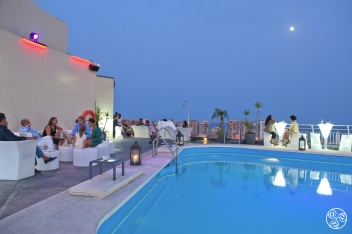
The choice of hotels in Malaga city is vast and varied. Over recent years, this vibrant Andalusian city has undergone much hotel renovation and restoration. Many old buildings have been brought back to their former glory and tastefully converted into 21st century hotels, without losing anything of their enchanted past.

Hotels in Jaen

The least-known of Andalucia's provincial capitals, Jaen is a historic city which is famous for its superb olive oil, grown in the rolling fields which surround this ciudad dating back to Moorish times.

Hotels in Huelva

Huelva is a port city which holds an important place in the history of Andalucia, as the area from where Columbus sailed to American in 1492. In the 19th and early 20th century, it was an important mining centre, and some colonial buildings and quays from that era remain, including the Muelle de Riotinto.

Hotels in Granada

Granada city is full of sights to see; famous for its vast array of cultural monuments, it is a very popular holiday destination. As with any city there are scores of hotels to choose from in Granada. Whether you are here for a short city break or a summer holiday Granada has a hotel for you, with a wide variety of prices, styles and features.

Hotels in Cordoba

Cordoba is one of Andalucia’s most atmospheric cities, with its low-rise white-washed buildings, famous flower-filled patios and multicultural heritage – a melting pot of Islam, Judaism and Christianity. As well as the famous Mezquita, once the largest mosque in the world, you can wander the maze of streets in the Juderia.

Hotels in Cádiz

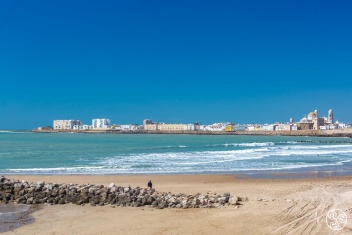
The city of Cadiz is an amazing place to explore on foot. Situated at the end of a peninsula, Cadiz is surprisingly compact and easy to navigate, even for the most timid of visitors. Its cathedral, its ancient walls, its old fortifications, and its narrow streets all work to invite the visitor into the city's heart and engulf them in the soul of the place.

Hotels in Almeria city

Almeria is one of the least-known provincial capitals in Andalucia. But lately this ancient port city has been experiencing a renaissance, thanks to an urban regeneration programme which started in 2007 and is scheduled to finish in 2013.

N-340

At 1,248 km in length, this huge highway from Cadiz to Barcelona was the longest road in Spain. It is colloquially known as the Spanish Route 66, and many have travelled the entire route and written blogs about their adventure.

Michelin Star Restaurants in Andalucia

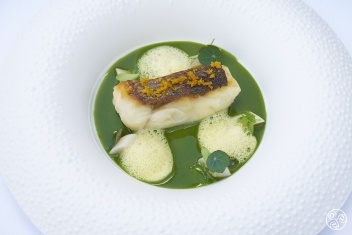
The region has 30 restaurants boasting the highly-coveted recognition from the French gastronomic bible. In total, as of the 2026 guide published in November 2025, Andalucian has 24 one-Michelin-starred restaurants, four boasting two stars, and two with three stars - the top accolade.

Large Garden - Palace of the Duke of Alcala

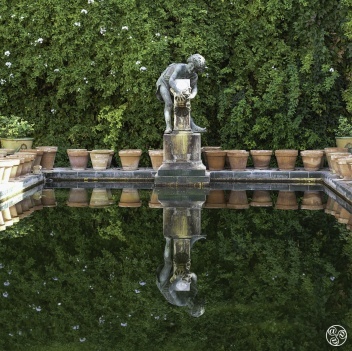
This area was originally an orchard and vegetable garden. Per Afán Enríquez de Ribera had amassed such a collection of classical statues that instead of modifying the existing palace to display them, in 1568, he commissioned Neapolitan architect Benvenutto Tortello to build a new palace around the old orchard, transforming it into an archaeological garden.

Upper Floor - The Palatial Residence

The upper floor can only be visited as part of a 30-minute guided tour which departs at regular intervals in different languages. The rooms on the upper floor form part of the private residence and include paintings dating from the 16th to the 19th centuries.

Flagellation Chapel

Casa de Pilatos, like many palaces, has its own chapel. The oldest room in the palace, this has both Muslim and Christian elements, with a wide entrance arch finely decorated with Mudejar plasterwork. It has the only tile skirting board in the palace, and one of a few in Seville made using the cuerda seca (dry string) technique.

Praetor's Office, Study or Cabinet

Located beneath the Tower, this room corresponds to one of the quadras of the traditional palace's layout: an elongated room with square chambers in each corner. It also inherited some characteristics of the main ceremonial room (Aula Regia or majestic room, qubba in the Islamic world) of Hispano-Islamic architecture.

Grand Staircase of Casa de Pilatos

The single grand staircase to the top floor Winter Palace is decorated with tiles and a cupola ceiling of Mudéjar honeycomb, made by Cristobal Sanchez and inspired by the Ambassador's Hall in the Alcazar. It was Seville's first magnificent staircase, and one of the most original in Europe at the time.

Golden Room of Casa de Pilatos

The Gold Room, although small, is one of the most extravagant with its gold-leaf coffered ceiling. Looking onto the Small Garden, this room's decoration is Mudejar, plus sculptures and busts collected by his nephew Per Afan.

Praetorian Hall of Casa de Pilatos

The room was built in the 1530s as a result of the Renaissance-style widening of the courtyard by Don Fadrique, and was possibly named after a salon in Pontius Pilate's palace in Jerusalem. It conserves all its original elements, including Mudejar inlaid marquetry windows and doors in which the remains of the old polychrome paintwork can still be distinguished.

Book your stay in Andalucia Now!