Seville

Introduction to Seville

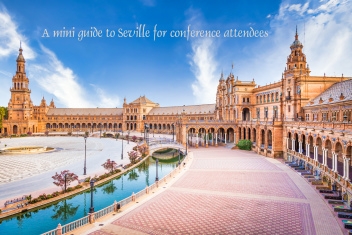
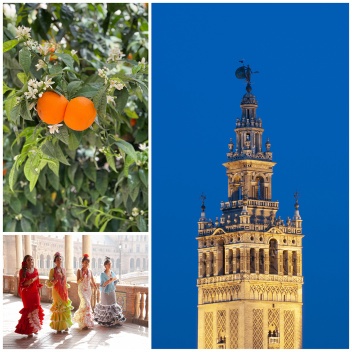
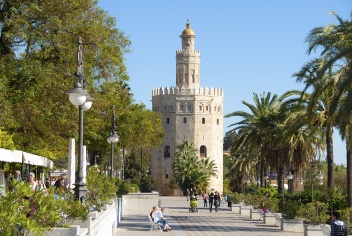
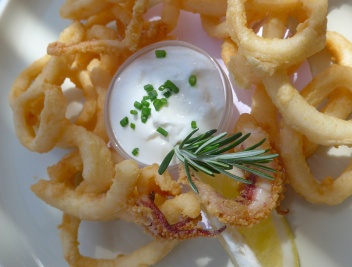
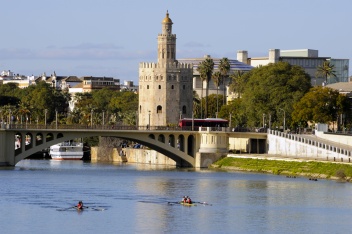
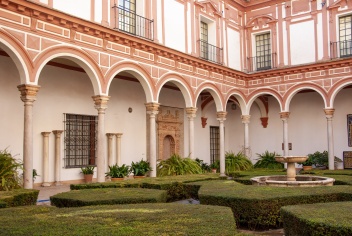
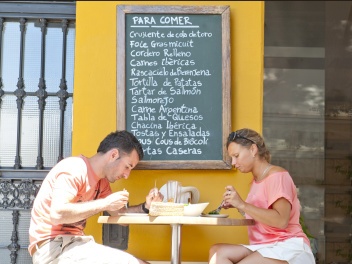
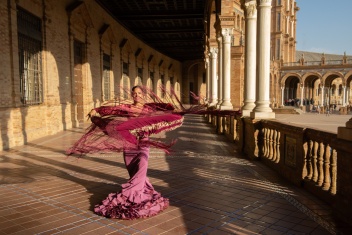
Seville is Spain’s third-largest city and arguably its most beautiful. The old centre, which is easily walkable, is replete with an intriguing historical medley: Roman columns, Moorish arches and Golden Age palaces, whose pretty plant-filled patios can be glimpsed through intricate iron gates. The city is famous for its ebullient inhabitants and their love of fiestas, its tasty tapas - succulent small dishes of Iberian pork, blue-fin tuna and juicy red tomatoes supped in characterful bars; and its flamboyant flamenco - watch the mesmerising dancers and musicians perform their dramatic art form in tablaos.
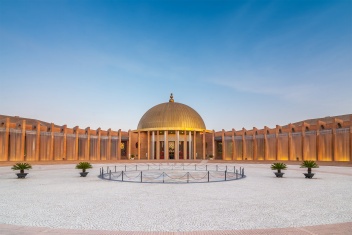
FIBES - Seville Conference and Exhibition Centre

The largest conference centre (or congress hall) in Andalucia is located in Sevilla Este, to the east of the main city, near the airport. It features an auditorium that seats over 3,000 people, and it also has numerous other meeting rooms, restaurants and bars. There are three exhibition halls of 7,200m2 each and an outside area of 65,000m2.

Alcazar Real

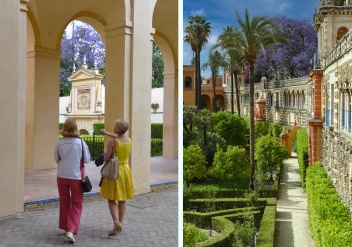
The Alcázar Réal (Royal Palace) of Seville is one of the city’s most enchanting, and most popular, historic monuments. Along with the Cathedral and Archive of the Indies, it is recognised as UNESCO World Heritage. The word alcázar actually means fortified palace, and this one is hidden behind castle walls on Plaza del Triunfo opposite the Cathedral.

Sightseeing Tours in Seville

Seville is often referred to as the 'Jewel of Andalucia' and it's easy to see why; be it for business or for pleasure the city has such a lot to offer with its rich and colourful mix of history and culture.

Seville City Cinemas

Seville has a good selection of cinemas, if you are looking for English language films or "VO" (original version). Avenida 5 cines announces its "VO" films for the week, each Tuesday. The simultaneous Spanish subtitles are perfect for both English and Spanish language students.

Apartment Rentals in Seville

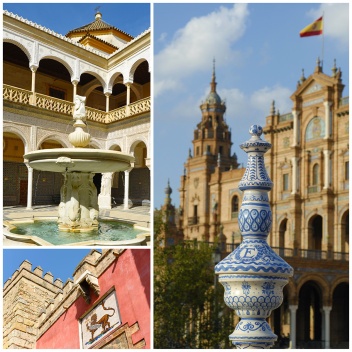
Sevilla or Seville is the capital of Andalucia and architecturally it's often referred to as the jewel in the Andalucian crown. With its magnificent Baroque cathedral, a Moorish Royal Palace, (Reales Alcazares) and the remains of the Roman city Italica to name but a few, the town has so many highlights that it's worthwhile spending some time here to discover its delights at leisure.

Hotels in Sevilla

Hotels in Seville come in a variety of styles to fit all budgets. There are plenty of rooms all over the centre. High season is March and April, and sometimes extends to May, depending when the Feria is. If you're staying during Semana Santa (Holy Week) or the April Feria, you should book well in advance, even for inexpensive hostals. 

Seville Cathedral

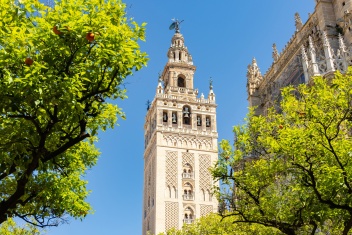
The cathedral's construction lasted over a century, from 1401 to 1506. It is said that when the plans were drawn up, church elders stated, "Hagamos una iglesia tan hermosa y tan grandiosa que los que la vieren labrada nos tengan por locos." (Let us build a church so beautiful and so magnificent that those who see it finished will think we are mad).

Museums and Galleries in Seville

As the capital of Andalucia, Seville has a wealth of history, culture and gastronomy to offer. From Roman and Moorish delights to contemporary architecture and interactive museums, you'll have plenty to keep you busy on your visit to La Hispalense.

Cafés and bakeries in Seville

Going out for afternoon coffee has always been part of the culture here, and cakes have steadily improved in quality over recent years. In such a warm climate, ice-cream is also popular. Menus have expanded massively, taking in bagels, breakfast bowls, and smoothies. Brunch has also become popular - ideal for peckish late-rising visitors.

Eating out in Seville

Seville has an amazing restaurant scene – from traditional tapas to innovative dishes. Most offer at least a few vegetarian options – look out for tortilla de patatas (potato omelette) and (vegan) espinacas con garbazones (spinach with chickpeas).