Attractions

Torre de Calahonda Watchtower of Mijas Costa

Torre de Calahonda is has also been referred to as Cala Honda, Calaona, Calaonda, Calahorra and Lancón. The tower and was completed in 1575 with a budget of 560 ducados as part of the King Filipe II watchtower construction programme. It is located on a promontory in the western reaches of Mijas Costa; Calahonda not far from boundary with Marbella and Cabopino Marina.

Town Hall of Begíjar

The Town Hall was built between 1561 and 1576 by Ginés Martínez de Aranda. Of its old plan, only the portal remains, composed of a semicircular arch flanked by columns.

Iglesia de Santiago Apóstol

Construction of the church began in thirteenth century and was completed in the seventeenth, although the original building has practically disappeared as a result of multiple restorations.

Palacio de Villardompardo

The Palace of the Counts of Villardompardo was built in the sixteenth century by Fernando Torres y Portugal, I Count of Villardompardo and Viceroy of Peru. The buildings current use is a cultural centre.

Ceuta - See & Do

City Walls. The Monumental Complex of the Royal Walls was the borderline of ancient Ceuta. If you cross the Walls you will find the Royal Moat, navigable since the era of Portuguese rule. The oldest fortresses of the Walls are found to the east of this Moat.

Mijas Costa - Watchtowers

There are about 100 different watchtowers (Torre Vigia or Torre Atalaya or Torre Almenara) along the coast of Southern Spain. Some are of Moorish origins others from date from the later Christian re-conquest period.

Caminito del Rey - Future Plans

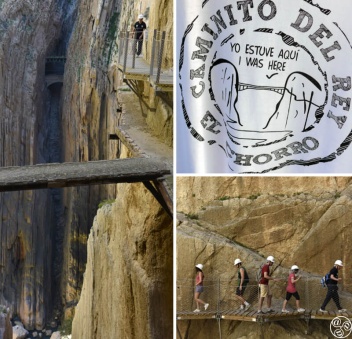
The original declared plan to construct a permanent visitors centre at each access was moved into 'Phase 2' works by the Diputación de Malaga as announced on 2nd Oct 2015 and again 4th April 2016. The visitors centre and car park that is strategically located mid way between the walk's start and finish points on the return shuttle bus route.

Fuente Amarga Spa, Tolox

The Balneario de Fuente Amarga (Bitter Fountain) was established in 1867 and its waters declared for public use in 1871. It is located in the village of Tolox one hours drive inland from Marbella or Malaga at 360 meters above sea level at the entrance to the Sierra de la Nieves Natural Park and has clear air, a splendid warm climate, abundant water and green vegetation - a sheer delight in contrast to the pollution and stress of modern life.

Convent of Santa Isabel la Real, Granada

The Convento de Santa Isabel la Real was founded by Queen Isabella of Castile after Granada was conquered, on the site of the Moorish Palace of Dar al-Horra, a small part of which still exists.

Costa del Sol Beaches

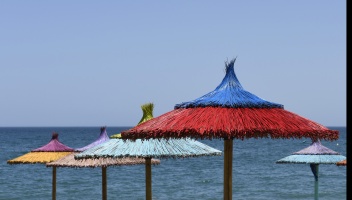
Explore the beaches of the Costa del Sol from West to East using our comprehensive guide. Costa del Sol is the most developed part of the Coast. The Mediterranean water is warm and safe. Many towns have recently modernised "paseo maritimos" (promenades). Most locations are backed by development.

Puerto Serrano - Main Sights

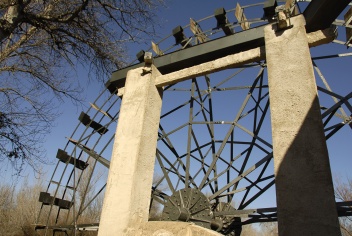
Puerto Serrano, a charming Andalusian village, is a hidden gem nestled in the province of Cádiz. With its rich history and stunning architecture, it offers a captivating glimpse into the past. The village's two main landmarks, the Church of Santa María Magdalena and the Molino de Siré, stand side by side, showcasing the region's Baroque and Neo-Classical styles. Beyond these architectural wonders, Puerto Serrano boasts a vibrant cultural heritage, evident in its traditional festivals and archaeological sites. Whether you're exploring the historic streets, admiring the religious art, or immersing yourself in the local traditions, Puerto Serrano promises an unforgettable experience.
Carrera Del Darro, Granada City

Now we are ready to take one of the most picturesque and romantic walks in Spain, along the Carrera del Darro, the cobble-stoned street which over hangs the river and which was once one of Granada´s main arteries, leading to the vanished gate of Guadix and, from there, to the town of that name in northeastern Andalucia. First we pass old Granada´s last remaining arched bridges.

Church of San Pedro & San Pablo, Granada

The Church of San Pedro & San Pablo hails from the Renaissance period while en route to the Plaza Nueva are the Arab baths dating from the 11th century. Behind the ruins of El Cadi Bridge stands the Mudéjar Church of Santa Ana with a Platereque portico and tower of glazed tiles which was inspired by Arab minarets.

Plaza de las Monjas

Plaza de las Monjas can be described as the main square in the city of Huelva. Its origin is to be found during the foundation of the Convento de las Madres Agustinas; hence the name 'monjas' meaning 'nuns'. The convent was built in early sixteenth century, therefore suggesting the square was created in front of the convent's entrance during the first years of this century.

Paseo Maritimo de la Ría

Paseo Maritimo de la Ría is a seaside boulevard that was opened in July 2016 and is within the Paraje Natural de las Marismas del Odiel.

Palacio Mora Claros

Palacio Mora Claros is an early twentieth century palace built by, Moisés Serrano and José María Pérez Carasa, and was restored in 1997.