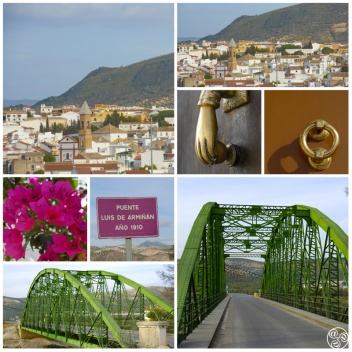
Málaga province

Wines of Malaga

Málaga province has long been famous for its sweet fortified wines, made from the Moscatel and Pedro Ximenez grape varieties. From the Phoenicians in the eighth century BC, the Greeks and Romans to the Moors and later the British, all enthusiastic drinkers of Málaga wines.
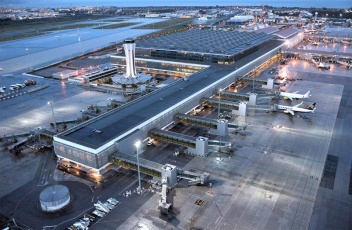
Malaga Airport

Málaga Airport is the fourth busiest airport in Spain with over 22 million passenger movements in 2023. Malaga Airport offers full range of passenger services. The airport essentially operates from Terminal 3 which was opened in March 2010. The second runway which is only used at peak times was opened in June 2012.

Alcazaba of Málaga

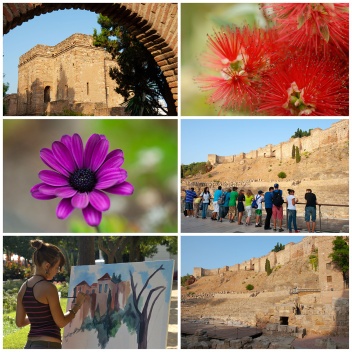
La Alcazaba is Malaga's most important landmark, and overlooks the city from a hilltop inland. It is one of two Moorish fortresses in the city, the other being the Castillo de Gibralfaro, situated above. The Alcazaba is the best-preserved Moorish fortress palace in Spain. It received about 1 million visitors in 2016.

Malaga City Museums

Whether you like wine, archaeology or cars; you’re interested in glass, contemporary art or 19th century painting, you’re sure to find at least one museum which will interest you in the city. Most visitors to Malaga go to the Picasso museum and his birth house, as the painter is the most famous son of the city. There is also a first rate art museum now which focuses on Andalucian art – the Museo Carmen Thyssen.

Malaga City - Bus Stations

There is one main bus stations in Malaga serving all long distant routes, and also smaller one called Muelle de Heredia serving the city and local towns

Malaga City Train Station

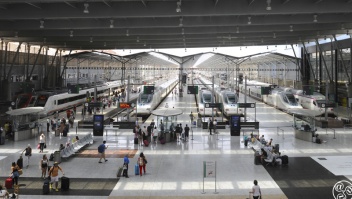
Malaga María Zambrano train Station opened in 2007 as a Vialia sponsored station on the site of the original 1863 station. It is situated on Explanada de la Estación in the South West of the City Centre. It is next door to the Bus station, approximately 2 km from the Malaga port and 9 km from Malaga Airport.

Campillos

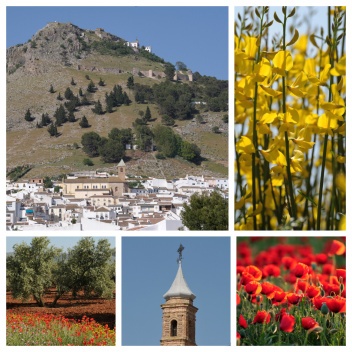
This peaceful little town of less than 8000 inhabitants, equidistant between the Costa del Sol, Granada and Sevilla, has been an important cattle farming, leather production and mining centre since Roman times. Archaeological digs in the vicinity have uncovered Roman architecture and coins, as well as brass busts of Octavius, Claudius, Constantine and Trajan. Nowadays, however, it is mainly known as one of the key stops on the Algeciras-Bobadilla 'Mr Hendersons railway' line.

Villanueva de Tapia

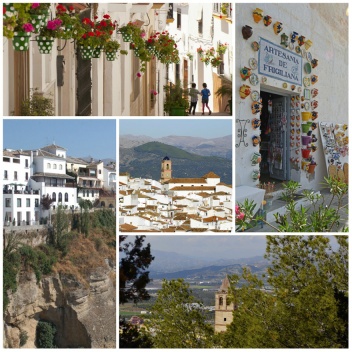
To my mind, one of the nicest drives inland from the Costa del Sol and Malaga is out towards Loja and Granada on the A 359, turning off at the A333 to Villanueva de Tapia. This little village of just 2,000 inhabitants is 85 kilometres from Malaga City and at sits at around 660 metres above sea level. It teeters between two worlds.

Northern Málaga Province

Only around 50km northwest of Malaga is some surprisingly rugged landscape with a dramatic gorge, several immense reservoirs and a scattering of Moorish towns and villages with intriguing histories. Also here is one of the most impressive limestone landscapes in Europe, the Torcal de Antequera Natural Area.

Guadalhorce, Campanillas, Guadalmedina Valleys

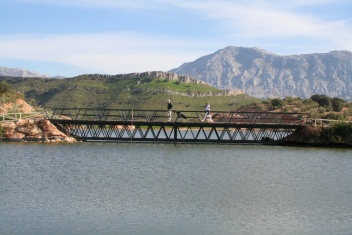
Guadalhorce, Campanillas, Guadalmedina and Grande are the river valleys that converge on the coast at Malaga city. Together they form an interesting area, mainly agricultural supported by small towns such as Alhaurin and Coin. The fertile river plains inland from Malaga city support ligh industry and citrus fruit agriculture, whereas further inland and higher up the valleys one finds smaller villages such as Alhora, Almogia and Ardales. on of the main atraction located in this area is the Caminito del Rey footpath and the lakes at El Chorro.

Archidona

In the north of Málaga Province, about 50 kilometres from Málaga City (and 20 kilometres from Antequera), at the foothills of the Sierra de Gracia, is the welcoming village of Archidona. Bordering on the Granada Province, Archidona sits at the very centre of Andalucia, 660 metres above sea level. This rural community dominates the valley over which it presides.

Villanueva de Algaida

This little Málaga town is the birth place of a prestigious international sculptor, the man behind Spain’s famous Goya Awards (the Spanish “Oscars”) statues, and that is Miguel Ortiz Berrocal. He died at the age of 73 years old in the place of his birth after returning home from Verona Italy in 2002. Today on Calle Granada we can visit his home. Some of his work is also on display at the Asociación de Amigos de Berrocal (Friends of Berrocal Association) in the town.

Fuente de Piedra

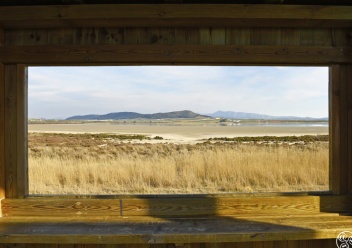
The village of Fuente de Piedra (with a population of approximately 2,000) is close to the Natural park and lake; Laguna de Fuente de Piedra. Due to the presence of the lake, it seems that man has been in this area since prehistoric times. Later, commercial links were maintained with the Phoenicians and the Carthaginians. During Roman times, the lake was named "Fons Divinus" or divine spring, due to the medicinal properties of the water.

Málaga Province Museums

Other museums in Málaga City and province: Museo de la ciudad de Antequera, Museo de Benalmádena, Museo de Nerja and more.

Book your stay in Andalucia Now!