Latest Pages

Latest pages

We are committed to updating our pages as regularly as possible, allocating over half of our editorial resources to this essential task, to ensure that you can always find the latest, most reliable information on popular topics and places.

Here is a list with the latest pages that have been updated or created. Most recent are at the top of the list.
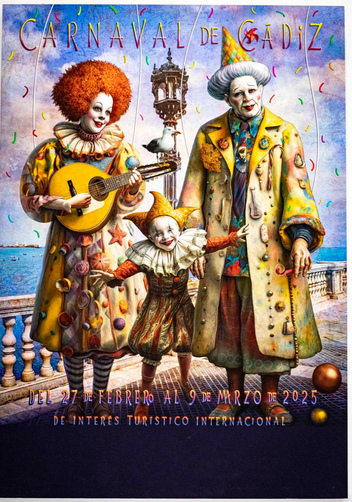
Cadiz City Carnival Poster 2025

The vote for the poster for Carnival 2025 in Cadiz has been mired in controversy. One of the entries was disqualified for using artificial intelligence, and the vote was postponed after the discovery of possible plagiarism in another poster. This turned out not to be the case, so three of the four finalists went through to the final stage, where a public vote would determine the winner, who would receive a prize of 6,000 euros.

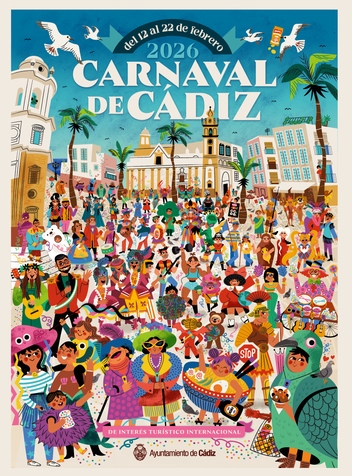
Cadiz City Carnival Poster 2026

As one of Spain's major ports during the 16th century, Cadiz copied the carnival of Venice, a city with which it had much trade, and since then it has become the liveliest and most dazzling carnival town in mainland Spain, famous for its amusing and creative characters and satirical song groups.

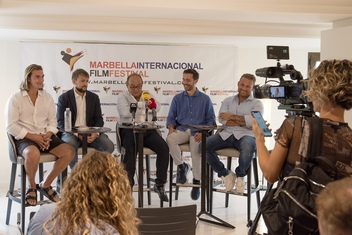
Marbella / Design & Art

Marbella / Design and Art is an international (mainly interior) design fair in Marbella which combined with the Marbella /Art fair and Marbella / Design Fair. Marbella / Design was first held in 2018 and takes place in the Palacio de Ferias y Congresos over eleven days in early November.

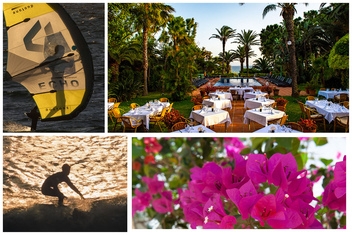
Starlite Festival Marbella 2023

The Starlite Festival is a two month-long music and cultural event held in July / August at the Cantera de Nagüeles, in Marbella. It is now established as one of the important annual entertainment events in Spain. The stage is surrounded by 60 metre-high rock walls, which creates an interesting, intimate atmosphere, like a secret, hidden venue beneath the stars for the 2,200 guests.

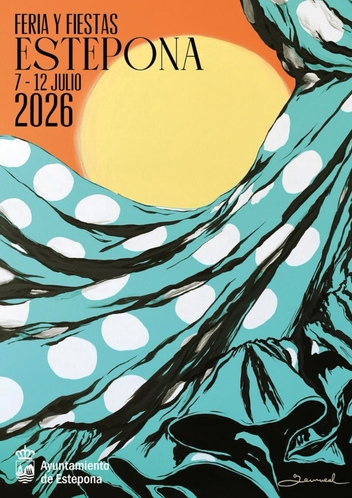
Estepona Summer Feria 2027

Estepona Summer Feria takes place the first week in July from Tuesday to Sunday and gives everyone a week to enjoy dancing, drinking and eating. Both the day fair and the night fair take place at the 'Parque Ferial y Deportivo' located at the top of Avenida Juan Carlos I next to the A-7 coast road that by-passes Estepona. 

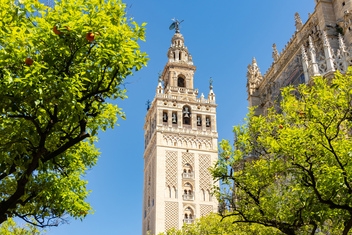
Seville Cathedral

The cathedral's construction lasted over a century, from 1401 to 1506. It is said that when the plans were drawn up, church elders stated, "Hagamos una iglesia tan hermosa y tan grandiosa que los que la vieren labrada nos tengan por locos." (Let us build a church so beautiful and so magnificent that those who see it finished will think we are mad).

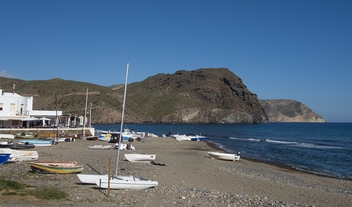
Agua Amarga

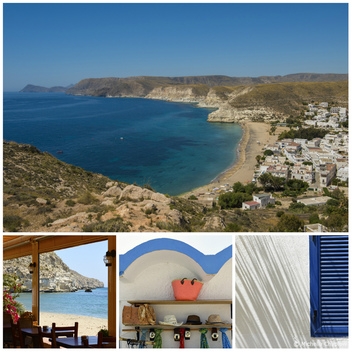
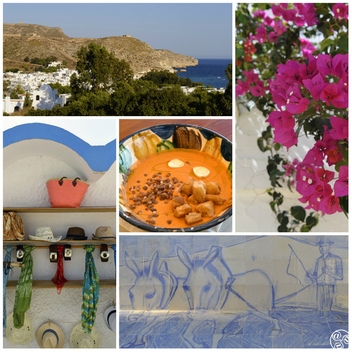
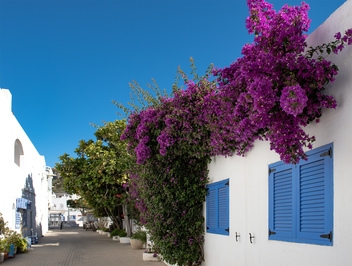
Agua Amarga is a pretty fishing village and beach resort on the Almeria coast, in Cabo de Gata-Nijar natural park, with a population of just 400. Still undiscovered by large-scale tourism, this is one of Andalucia's hidden seaside treasures. While its name may translate as Bitter Water, this delightful, laid-back beach town has excellent Mediterranean cuisine, good independent boutiques and trendy bars.

Monasterio de la Cartuja

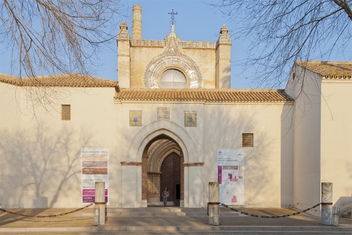
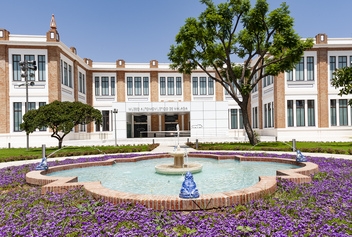
This large, walled complex of honey-coloured stone buildings, situated on the Isla la Cartuja (named after the monastery itself; the word means “charterhouse”), has seen many ups and downs during its long, dramatic history. From monks who welcomed Christopher Columbus, to barracks for Napoleon’s troops, ceramic factory run by an Englishman producing world-renowned porcelain, to modern-day contemporary art gallery and open-air live music venue.

La Isleta del Moro

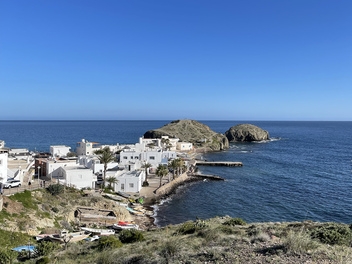
La Isleta del Moro is a quaint fishing hamlet known for its picturesque setting, and well worth the 500m detour from the AL-4200 San Jose to Las Negras coast road.Population is about 200. The name comes from Isleta del Moro Arraez, possibly from a Moorish commander called Mohamed Arraez (ar-rais means boat owner). Straddling a narrow peninsula, between two small hills, the hamlet offers a very photogenic coastal scene.

Roman roads in Andalucia

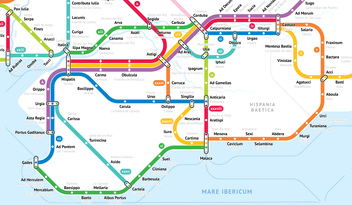
Via Herculea or Via Exterior was an important Roman road into Hispania, reaching as far as Gades (Cadiz). This 1,500 km-road from Narbonne in Gaul to Cadiz was renamed Via Augusta after the emperor, who ordered it to be renovated between 8 BC and 2 BC. Many Roman roads in Andalucia are today referred to as Via Augusta. This is a misnomer, although other roads that Augustus renovated may have been referred to locally as Via Augusta. The confusion arises because the Romans only named principal routes.

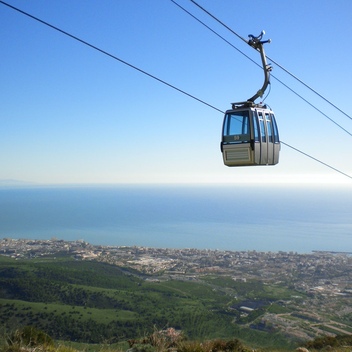
Cable Car Benalmadena

The Telecabina takes you on an amazing 15-minute journey in a four-person cable car right up to the highest point on the Málaga coast at an altitude of almost 800m above sea level. From this superb vantage point, you not only have the most magnificent views of the Costa del Sol, but also the awesome panoramic vistas of the Sierra Nevada mountains (white with snow in the winter months), the Guadalhorce Valley and on a clear day you can see Gibraltar and the coast of Africa.

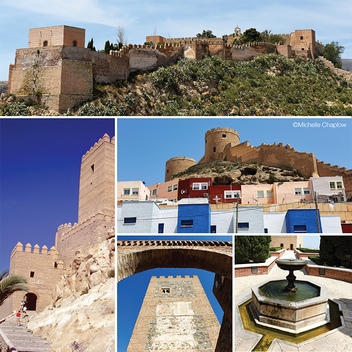
Alcazaba of Almeria

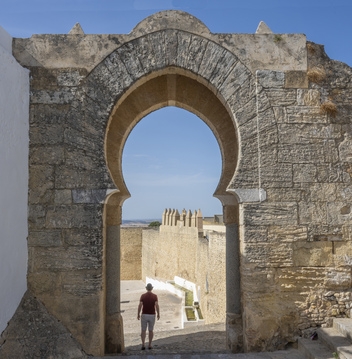
The hilltop Alcazaba's hefty walls and towers dominate the city and command magnificent views over the old town below and across to the Mediterranean. Measuring 25,000m2, this was the largest fortress built by the Moors. The Alcazaba was founded during the first half of the 10th century by Cordoban Caliph Abd al-Rahman III, who also built Medina Azahara.

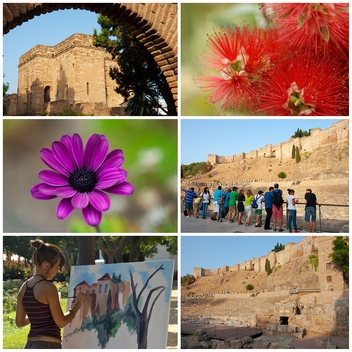
Alcazaba of Málaga

La Alcazaba is Malaga's most important landmark, and overlooks the city from a hilltop inland. It is one of two Moorish fortresses in the city, the other being the Castillo de Gibralfaro, situated above. The Alcazaba is the best-preserved Moorish fortress palace in Spain. It received about 1 million visitors in 2016.

Book your stay in Andalucia Now!