Attractions

Gran Teatro

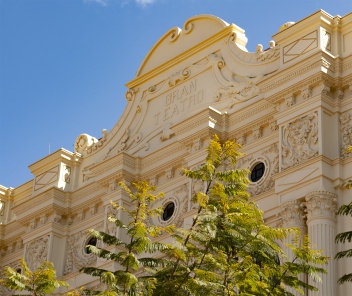
The Gran Teatro (Great Theatre) was built by Pedro Sánchez y Núñez in 1923.It is a stately building of classic style, typical to the late nineteenth century with Second Empire decoration.

La Almoraima Estate / La Finca Almoraima

The  La Almoraima estate in Castellar de la Frontera occupies 14.000 hectares and is one of the largest estates in Spain. Agriculture, forestry, cork, hunting and tourism are main industries on the estate. A vast quantity of cork is produced from the cork oak trees, quercus suber which are stripped of bark each summer on a seven year rotation. The estate lies within the Parque Natural Los Acornocales.

Charco Azul

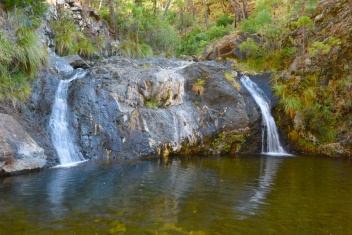
Charco Azul is a natural pool and waterfall in the Arroyo del Quejigo which is one of the small stream tributaries to the Rio Genal. It is an isolated location and on most visits you will be alone you enjoy a swim (with or without swimming costume) in the crystal clear pool. There are two small (three metre) waterfalls cascading down eather side of a rock butress.

Muelle de Río Tinto

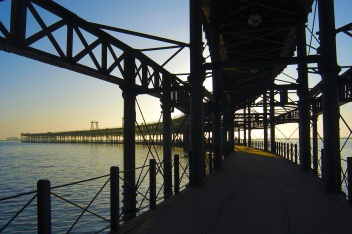
Muelle de Rio Tinto is a commercial dock used for the trade of material from the mines of the Rio Tinto Company Limited on the Rio Odiel. It is commonly known as the "Muelle del Tinto" but is no longer in use. It is however, a popular place for many to visit, and enjoy a walk down the 'muelle' itself or even to fish. It was declared of Cultural Interest in 2003.

Casa de las Tejerinas

The Casa de las Tejerinas is a stately house in the centre of Estepona in the Plaza de los Flores. It was owned by the Tejerinas sisters and became a hospital for the poor. It was taken over by the town hall and renovated in the 1980's to become the 'Casa de la Cultura' where cultural events such as art exhibitions, courses, lectures took place.

Picasso Museum Hotels

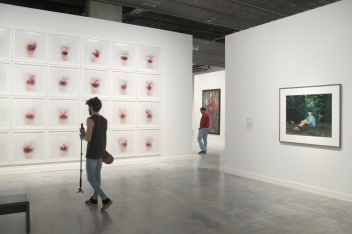
The choice of hotels in Malaga city is vast and varied. The Picasso Museum is in the old city centre which has undergone much renovation and restoration. Many old buildings have been brought back to their former glory, a number of which have been tastefully converted into 21st century hotels.

Caves of Nerja Hotels

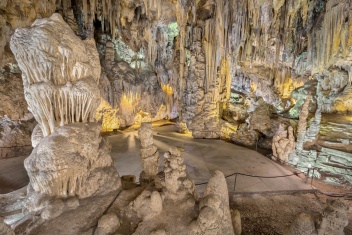
The caves of Nerja also attract a large number of tourists. Nerja is situated at the eastern tip of the Costa Del Sol, 50km away from Málaga. It is a picturesque fishing town which has done very well in avoiding the construction of concrete high-rise buildings which crowd some of the other coastal resorts in this area of Spain.

Seville Cathedral Hotels

There are a good amounts of hotels located almost within touching distance of the famous Seville cathedral. A lot of them feature spectacular roof terraces offering unrivalled views over the monument, some even with swimming pools offering this same view.

Ronda Wines

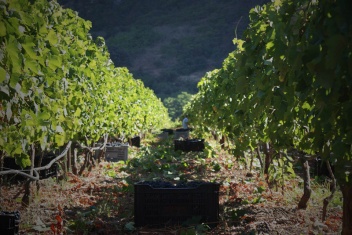
The area of wine production known as the Serrania de Ronda forms part of the DO Sierras of Malaga, producing what are popularly known as 'the Ronda Wines'. Here modern bodegas at over 750m altitude in the Serrania de Ronda produce young red wines from Romé, Cabernet Sauvignon, Merlot, Syrah, Petit Verdot and Tempranillo. Their white wine varieties include Chardonnay, Macabeo, Colombard and Sauvignon Blanc.

History of Caminito del Rey

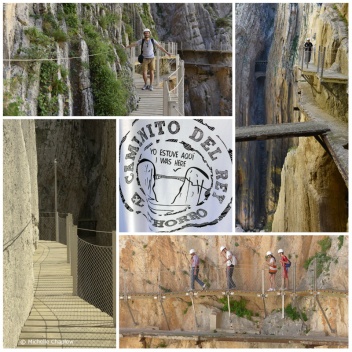
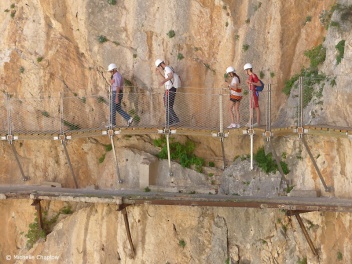
The original path was built between 1901 and 1905 by the Sociedad Hydroelectrica del Chorro (Chorro Hydroelectric Society). A pioneering project to take advantage of the 100m drop in the river Guadalhorce required the construction of a small dam.

Real Betis Football Club

Betis, full name Real Betis Balompié, was founded after rival Sevilla Fútbol Club, in 1907. founded by students from the Polytechnic. They were led by another Brit, Henry Jones - known as Papa Jones - who was their first chairman; their inaugural match was also against Huelva, in 1908.

Antequera Dolmens

Just outside Antequera you can visit three 5,000-year-old dolmens: Menga Dolmen (the largest in Europe) and Viera Dolmen, which are both located just outside the town, while El Romeral Dolmen is a few km away. These three prehistoric burial chambers represent some of the largest and most complete megalithic structures in Europe.

Castillo del Aguila (Eagle’s Castle) in Gaucin

Castillo del Aguila (Eagle's Castle) in the Moorish hilltown of Gaucin, consists of a series of fortifications built across a rocky ridge above the village. The castle, which is of Roman origin, and was reinforced by the Moors, is located on top of a hill whose east and south slopes are practically impregnable; the best way to reach this magnificent, historic building is by walking up Calle Larga.