Attractions

Acuario de Sevilla: Seville Aquarium

The aquarium is themed around the voyage of Ferdinand Magellan, 1519-1522, which was the first ever circumnavigation of the globe. Your journey will take you from the Guadalquivir river, across the Atlantic Ocean, up the Amazon and over to the Pacific.

Food Market

This traditional food market, with stalls run by local tradesmen, is located in the centre of the city, in Calle Doña Blanca. Housed in a beautiful, high-ceilinged, period building, it has a lively, buzzing atmosphere, and offers an excellent selection of fresh fish, meat, and fruit and vegetables.

Monumento a la Fe Descubridora

This massive statue, located at Punta Sebo where the rivers Odiel and Tinto meet, is often mistaken for the figure of Columbus. The statue actually represents a Franciscan friar of Monasterio La Rábida, who took Christopher Columbus in while he was planning his first voyage and waiting for confirmation of funding from the Spanish monarchs.

El Tornillo del Torcal Natural Monument

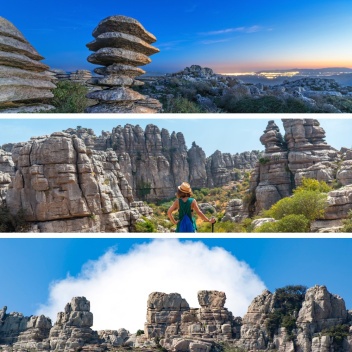
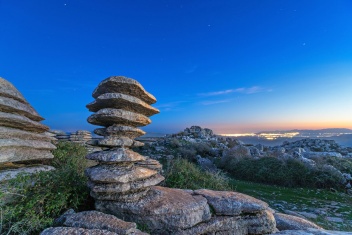
Within the Torcal de Antequera Natural Area is this protected geological feature, the Tornillo del Torcal. Its name - the Screw of Torcal - comes from its distinctive appearance, as its limestone layers have been eroded making them look like the threads twisting around a screw. It is used as a symbol for the Torcal Natural Area.

Things to See in Sierra de las Nieves

Fuenfria is a quiet secluded spot ideal for a picnic, next to a natural spring and set in a clearing surrounded by forest. The spring has been capped and the water is collected and pumped to the local estates. There is an outlet for the general public to fill their water bottles.

Basilica of San Juan de Dios, Granada

Located on the street of the same name, the church and hospital of San Juan de Dios are beautiful Baroque buildings well worth a visit and easily accesible, just off the Gran Vía.

The Monastery of San Jeronimo, Granada

The monastery was originally founded in Santa Fé by King Ferdinand and Queen Isabella during the reconquest of Granada. Following this success it was relocated to the city centre. Construction of this Renaissance Roman Catholic monastery and church began in 1504 and 1519 respectively.

Jardines de la Concepción

Just outside Malaga, "La Concepción Jardín Botánico-Historico de Málaga." is a magnificent botanical garden. There are regular guided tours of the gardens which pass through exotic trees and plants, Roman sculptures and a waterfall. There is also a beautiful mansion that once belonged to the creators of the gardens, the Marquis of Casa Loring and his wife, and several panoramic view points to enjoy.

Cueva de la Pileta

The village of Benoajan is rightly famed for the caves which are well signposted around the area. South of the village of Benoaján heading towards Cortes de la Frontera, a side road leads off on the right, serving as a carpark.

Cueva del Gato

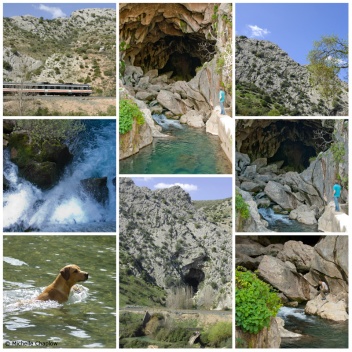
The entrance of this cave can be seen from the railway as it heads north from Benaoján station two kilometres away. It's called the cat cave as its entrance is said to look like a cat's head.

Virgen del Carmen in Malaga city

Like many large cities, Málaga has absorbed what once were nearby villages. Therefore, some of Málaga’s seaside neighbourhoods continue to carry on the customs handed down to them by the fishermen and their families who established them.

Estepona Marina

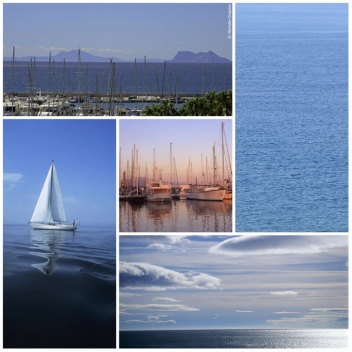
The Estepona Marina is situated at the west end of the seafront promenade. This is a very pleasant place for a stroll and there are some magnificent boats moored here. There are also a wide variety of excellent bars and restaurants, open both midday and in the evening while younger revelers can enjoy the late night disco bars. There is a popular tourist market here on a Sunday morning.

Malaga City Top 10

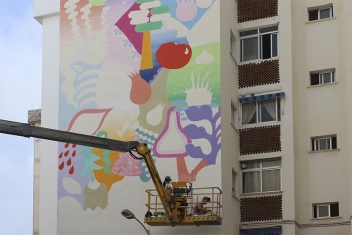
Malaga has moved on from being the jumping-off point for holidays in the Costa del Sol. The city’s remarkable renaissance over the past decade has seen its status upped to Andalucia’s cultural capital, with an astonishing range of museums, as well as excellent tapas bars, cool roof terraces, and street-wise art in the form of graffiti, while shoppers will love the seafront Muelle Uno.

Arab Baths

One of the most relaxing traditions of Arab Spain are the baths, or “hammam” as they are called in Arabic. With so many years of moorish rule and culture, the city of Granada was a natural starting point for the return of this long lost custom.

The Ancient City of Acinipo

The ruins of this 32 hectare city are located at 1.000m above sea level. This is an urban are that thrived in the first century AD when it had a population of 5.000. It was mentioned in Plini and, inscriptions to Geninn Oppidi, to the god Marse and to Victoria Augusta have been found. The city even minted its own money, which features bunches of grapes.