Latest Pages

Latest pages

We are committed to updating our pages as regularly as possible, allocating over half of our editorial resources to this essential task, to ensure that you can always find the latest, most reliable information on popular topics and places.

Here is a list with the latest pages that have been updated or created. Most recent are at the top of the list.
Sierras of Tejeda, Almijara and Almara

Designated a natural park in 1999, this large and rugged mountainous region of 40,663ha stretches across the provincial border of Granada and Malaga. Its western part in Malaga province is known as the Axarquía and is famous for its attractive villages dating from Moorish times. It is also superb hiking country and its numerous steep mountainsides make it ideal for climbers.

Restaurants in Granada

Granada is home to a wide variety of restaurants. The roots of a lot of the gastronomy here lie in Moorish hands, with influences taken from Arabic dishes. As well as the many tapas bars which, traditionally, serve free tapas with every drink ordered, there is a huge selection of restaurants serving delicious food!

Washington Irving

Washington Irving was the son of a New York merchant, he was trained in law but gave it up for the family business. When it collapsed he turned to writing but also figured proximately in the diplomatic world. In England he was secretary to the American Embassy.

Hotels

Carboneras is a very popular tourist destination and keeps growing in popularity due to its close proximity to both the beach and the Cabo de Gata-Níjar Nature Reserve. Its beaches are very well-known, especially as one of them was the setting for the film Lawrence of Arabia.

Jun

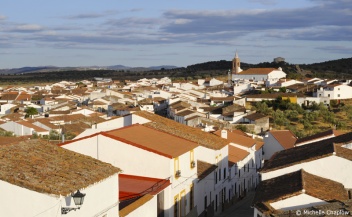
Jun is located at the edge of the Sierra de Huétor natural park, in the centre of the Granada lowland. The village offers a great combination of natural landscapes and a wealth of heritage and tradition. Jun has origins dating back to Roman times; remains of gravestones have been found with mention of the village. The Roman population was followed by Visigoth and Muslim settlers.

Walking

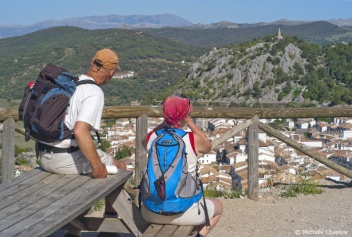
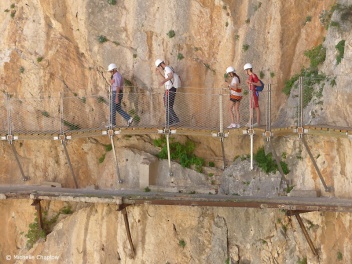
The landscapes of rural Andalucía are breathtaking and one of the best ways to appreciate their diversity and beauty is on foot. However it is sometimes hard to determine exactly where a path is located and if there is a public right of way. There are designated footpaths, as well as those inside the national and natural parks.

History - Phoenicians to Carthaginians

During the 11th century BC, the first contacts between the Phoenicians and Iberia were made. This lead to the emergence of towns and cities on the southern coast including Gadir.

Hotels in El Puerto de Santa Maria

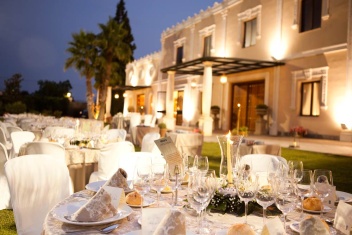
Being a very popular destination for tourists and lovers of the rich cultural and historic heritage that is kept in the town, it is no surprise that there is an abundance of hotels and places to stay here. The most unusual hotel in El Puerto de Santa Maria is the Monasterio San Miguel.

Los Guájares

Los Guájares is comprised of three small villages: Guájar Faragüit, Guájar Fondón and Guájar Alto. The area is located in a small, beautiful subtropical valley, formed by the River Loba. Its name comes from the Arabic word for abrupt, steep and difficult to access, describing the mountain below where the villages are situated.

Restaurants in Mijas Costa

There are a number of restaurants situated in La Cala de Mijas or Mijas Costa, giving spectacular views over the med from the dining table. Expect good, fresh fish and seafood, as well as delicious tapas dishes whilst sitting on a terrace enjoying the fresh, sea breeze.

History - Tartessos

For centuries Tartessos was as mythical as Atlantis and had just asWmany legends woven around it — but whether it was a city or an independent state, no one knows. The Greek historians Herodotus and Ephorus, plus Strabo the geographer, all wrote about Tartessos. The Roman historian Pliny the Elder indicated that Cádiz and Tartessos were really the same city but, although, the knowledge of early historians seems incomplete, they were all agreed that Tartessos existed.

Carnivals

Spain is a country with a well known Catholic tradition. The carnival is, therefore, celebrated before the 40 days of Lent as a way to let loose before the prohibitions of the upcoming religious holidays. Most Andalucian towns stage a parade, and a dance and a "Carnival Queen" and other singing contests.

Book your stay in Andalucia Now!