Festivals in Ronda
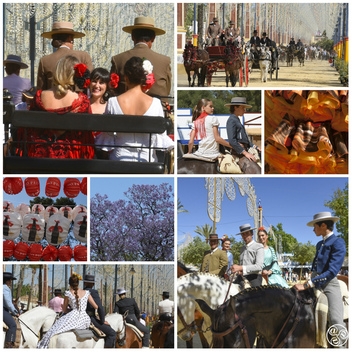
Festivals in Ronda: Fiesta de la Virgen de la Paz, Feria de la Reconquista, La Virgen de la Cabeza, Feria Goyesca and more.
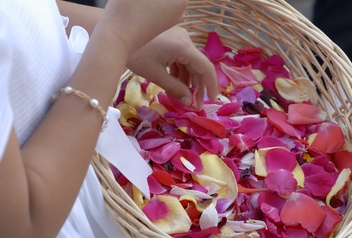
On the evening of the 5th of January there is a procession (Cabalgata), when the Three Kings parade through the streets on colourful floats. Sweets are thrown to the many children lining the streets. The 6th of January is traditionally the day that children are given their Christmas presents in Spain and so this is a big day for them and the whole family.
Like most of rural Andalusian, traditional fiestas and religious festivals are very much a part of village life. April is a particularly festive month, with the "Fiestas de San León" taking place on the 11 th April. This saint died on this date in Rome in the year 461, after having been Pope for 21 years. Specially baked cakes are blessed and shared amongst all who attend the celebrations.
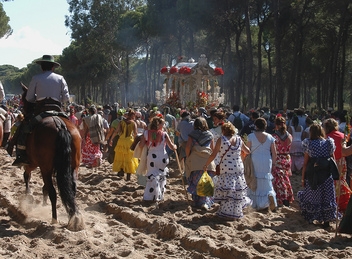
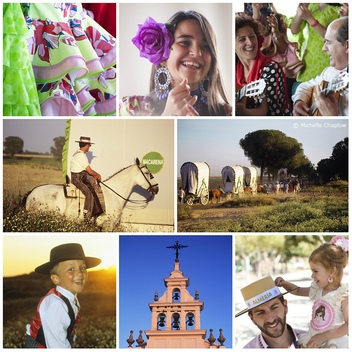
This is a strange outpost of the Wild West, with wide, sandy streets lined with houses complete with broad verandas and wooden rails for tying up horses. It is famous for its annual Romería, the Rocío Pilgrimage at Pentecost when it is overflowing with a seething mass of a million pilgrims, either on foot or with horses and decorated carts.
Cabra is famous for the National Gypsy Pilgrimage, which traditionally takes place on the third Sunday of June. Click for more on the Cabra Gypsy Festival, and more on other festivals at Cabra.
If visiting San Roque village or one of the other suburbs in the area, bear in mind the following dates (dates change slightly each year to take in weekends where possible): February: Carnival time. Easter Week - when the streets of San Roque a filled with the scent of orange blossom, jasmine and incense and the whole village is involved in organizing and taking part in the processions and celebrations of Semana Santa (Easter).
There are a number of summer cultural festivals in Rota which are based on the Castillo de Luna. These include flamenco, classical music and theatrical events. In August there is a week of professional theatre plus the 'Arranque de Roteño' a flamenco singing and dancing extravaganza during which those attending savour the typical Rota culinary dish which gives its name to the event.
During its famous Semana Santa celebrations, the Toro de Aleluya, two bulls (toros) charge through the streets of the old town on Easter Sunday. In early August is the Fiesta de la Virgen de las Nieves, with flamenco and other live music in the Plaza del Cabildo.
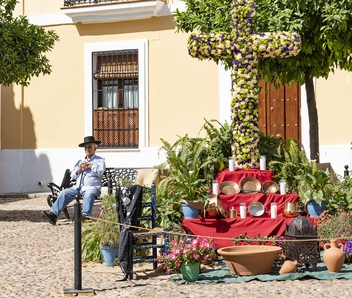
Popular festivals in Pampaneira are Feria Agrícola, del Turismo y la Artersanía, Semana Santa and Día de Santa Cruz.
Popular festivals in Busquístar are Fiestas de San Felipe y Santiago, Fiestas en Honor a San Pedro y San Pablo, Semana Cultural and Festival de Jazz & Blues.
Popular festivals in Alpujarra de la Sierra are Fiestas de San Miguel, Romería de la Virgen de Fátima, Fiesta de San Juan, Semana Santa and Virgen Fátima.
Popular festivals in Bérchules are Santo Cristo de la Misericordia, San Pantaleón, Fiesta de San Marcos, Semana Santa and Romería de San Isidro.
Popular festivals in La Tahá are Fiestas de San Antón, San Juan and Fiesta de las Castañas.
Popular festivals in Capileira are Chisco de San Antón, Mauraca, Semana Cultural and Fiestas de la Virgen de la Cabeza and Fiestas de la Virgen de las Nieves.
Popular festivals in Dílar are Fiesta del Libro y Mosto, Three Kings, Día de San Sebastián, Semana Santa, Summer Feria, Chestnut Festival.
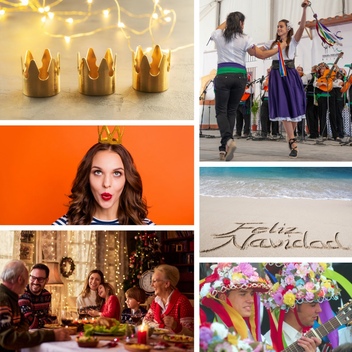
In Andalucia, as in the rest of Spain, there is a bit of a debate regarding how deeply foreign Christmas customs should be allowed to take root.
Christmas Eve and Christmas Day are generally celebrated as a family with one rich meal after another served from mid-day on Christmas Eve through late night Christmas Day.
Cártama celebrates a wide range of traditional festivals throughout the year. Two of the most important — Verdiales and Holy Week (Semana Santa) — have now been officially recognised as Festivals of National Tourist Interest.