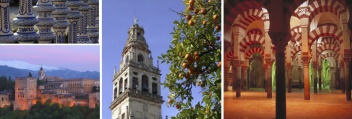
Attractions

Malaga City - Port

The port of Malaga is in international seaport, and a popular fishing port. It is the oldest one of this kind operating in Spain. The port is in a natural bay, well protected by the shape of coastline; it is situated on the edge of the historic cultural centre, and has access to all of the city beaches via the Promenade Pablo Ruiz Picasso. It is the second most imp port in Spain for cruise passengers and is currently undergoing huge renovations.

Teatro Romano Málaga

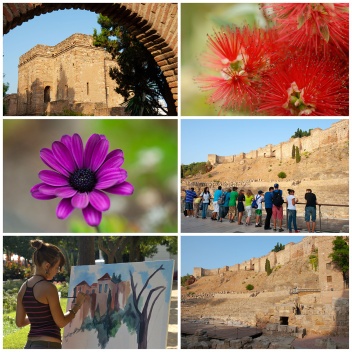
El Teatro Romano is the oldest monument in Málaga City, it is situated in the cultural heart of Málaga city, at the foot of the famous Alcazaba fortress.

Las Setas

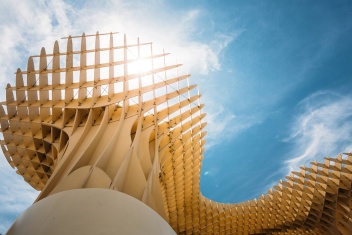
Las Setas (the Mushrooms), named due to its short pillars and broad shades, is the most ambitious, expensive and controversial urban project in Seville since Expo 92. Opened in 2011, and designed by German architect Jurgen Meyer H, it is now one of Seville's architectural icons, along with the Giralda, Torre del Oro, Plaza de España, and the Alamillo bridge.

Jardín del Retiro

El Jardín Del Retiro is a botanical-ornithological garden situated in Churriana, just outside Málaga city centre. The estate is almost 350 years old. It spans a huge 140,000 m2 and contains around 6,000 animals of 400 different species, including birds, reptiles, mammals and fish, in both freshwater and saltwater ponds. It has been called one of the most beautiful gardens in all of Spain.

Alcazaba of Málaga

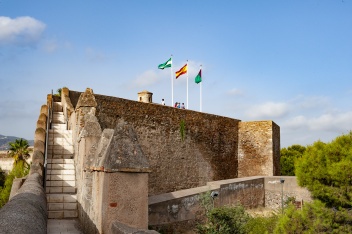
La Alcazaba is Malaga's most important landmark, and overlooks the city from a hilltop inland. It is one of two Moorish fortresses in the city, the other being the Castillo de Gibralfaro, situated above. The Alcazaba is the best-preserved Moorish fortress palace in Spain. It received about 1 million visitors in 2016.

Malaga City Museums

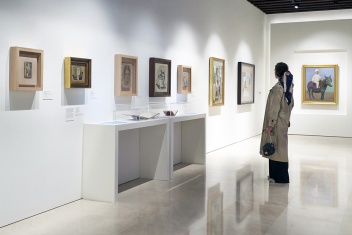
Whether you like wine, archaeology or cars; you’re interested in glass, contemporary art or 19th century painting, you’re sure to find at least one museum which will interest you in the city. Most visitors to Malaga go to the Picasso museum and his birth house, as the painter is the most famous son of the city. There is also a first rate art museum now which focuses on Andalucian art – the Museo Carmen Thyssen.

Picasso Museum

The people of Malaga are proud of the fact that Picasso was born here and it was a big day when the King and Queen of Spain inaugurated the Museo Picasso (Picasso Museum) on the 27th October 2003. On that first day alone almost 2,000 people visited. the museum, which is housed in the Palacio de Buenavista.

English Cemetery in Malaga

The English Cemetery lies on a hillside very near the historic centre of Malaga. More than 1000 people are buried within its 8,000 square metres; the majority, including its founder, are British but there are also Spanish and Americans, Danes and Swedes among other nationalities.

Places of Interest

Located in a magnificent 19th century mansion designed by the architect of the Paris Opera - Garnier. Training sessions may be watched and there is a tour of the stables. An ´Equestrian Ballet´ also takes place on Thursdays (and some other days, depending on the month).

History

Jerez de la Frontera dates from Phoenician times, but first rose to prominence under the Moors, who called it Xerix or Sherrich ‘De la Frontera’. These names refer to Jerez’s position on the frontier of Moorish Spain, and the Alcazar (fortress) is a reminder of the town’s strategic importance.

Jerez Motor Racing Circuit

The Jerez race circuit opened on 8 December 1985 with the Touring Car Spanish Championships, marking a truly momentous event. Today the course boasts many state-of-the-art facilities and hosts the Spanish Moto GP every year; usually last weekend in April or first in May.

Sherry Bodegas

The white chalky soil of the Jerez area, 'albariza,' is ideal for the cultivation of Palamino grapes which produce the sherry for which Jerez is so well known. If you arrive at Jerez airport, as you leave your plane to walk to the terminal, you will be greeted by wooden sherry barrels piled up decoratively, along with grassy lawns and beautiful flowers, surely one of the most attractive of any Andalucian airports.

Sacromonte, Granada

The Sacromonte is famous for the gypsy caves, but the gypsies were neither the first nor the last people to live in them. Long before the Oriental nomads arrived in Spain, the Arabs had discovered that the soft stone of the hill was ideal for carving out underground homes, and gypsies simply moved into them after the conquest.

The Alhambra - The Alcazaba

The Alcazaba, or fortress, is the oldest part of the Alhambra. It was built in the mid-13th century by the Sultan Alhamar, the founder of the Nasrid dynasty, after he fled from northern Andalucia and established what was to be the last Moorish stronghold against the Christian crusaders.

Corral del Carbon, Granada

The Arabic Word bib means gate and rambla river bank. Until the end of the 19th century, there stood, at the plaza´s east end, a large Moorish gate which gave the place its name - gate of the strand, because it stood on the sandy bank of the river which now flows unseen beneath the Calle de los Reyes Catolicos.

Generalife gardens of the Alhambra

After the city was conquered, the Generalife was granted by the Catholic Monarchs to the Granada Venegas family. The promenade leads to the "Patio de la Acequia" which is the most celebrated spot and the heart and soul of the palace grounds.