Seville

History of the Seville Fair

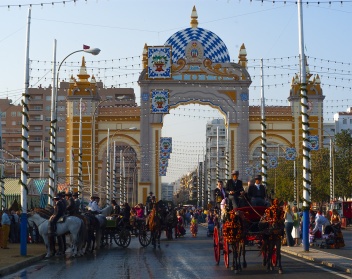
The Feria started in 1846 as a livestock fair in the Prado de Sebastian, where horses were traded. Its aim was also to provide an uplifting distraction from the aftermath of the Napoleonic invasion and the hurricane of 1842, a category 2 storm which had destroyed homes in Seville.

Casa Fabiola, Seville

This collection of Sevillano costumbrista paintings, sculpture, furniture and porcelain is on show in a mansion in Barrio Santa Cruz. Donated to the city by the art collector Mariano Bellver, this collection of 567 works encompasses painting, sculpture, porcelain and religious pieces.

Centre of Contemporary Andalucian Art

The Centro Andaluz de Arte Contemporáneo is housed in the magnificent 15th-century Monasterio Santa Maria de las Cuevas. Known as La Cartuja, this is located in the district of the same name, north of Triana and across the river from the city centre – look for the iconic, cone-shaped towers.

Alcázar Gardens

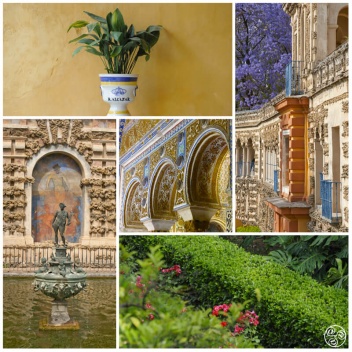
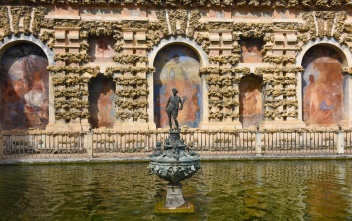
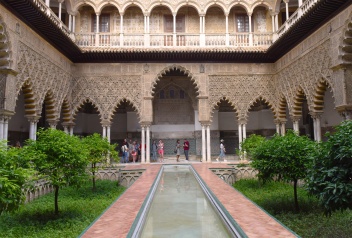
The grounds of the Alcázar are extensive and fascinating, so be sure to leave yourself plenty of time to wander around the whole palace and gardens - two to three hours minimum. These were the orchards of the palace in Moorish times, providing food for the royal court, as well as aesthetic value.

Moorish Alcazar

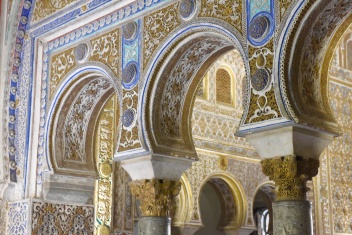
In the 10th century, the seat of power in Andalucia for the ruling Ummayad caliphate was Cordoba. From the 11th century the region devolved into taifa states, of which Seville was one, ruled at first by Abderraman III. In 1147 the Almohad dynasty arrived, aiming to return the region to stricter adherence to Islam, and declared Seville as its capital.

Practical Information

You enter the Alcázar though the red Puerta del Leon (Lion’s Gate) situated at the corner of Calle Miguel de Mañara and Calle Santo Tomas. The exit is on Patio de Banderas, which leads back onto Plaza del Triunfo, and also into Barrio Santa Cruz via Calle Juderia.

Day visits
October to March: 9.30am - 6pm
April to September: 9.30am - 8pm

Night visits (see below)
March and October: every half hour from 7.30pm to 9pm
April to September: every half hour from 9pm to 10.30pm

Santa Catalina district of Seville city

If you follow the street eastwards away from the Setas, passing Plaza Cristo de Burgos, the next area you arrive in is Santa Catalina barrio (neighbourhood).

Alfalfa District of Seville city

Alfalfa barrio (neighbourhood) is located between Plaza Encarnación and Plaza Cristo de Burgos to the north, and Santa Cruz. It is an area of narrow streets with small, independent shops and bars, where you’ll find lively tapas places, idiosyncratic late-night joints, and stores selling artisan crafts and unusual jewellery.

Seville Airport Flights

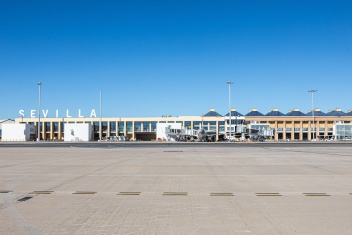
In the tables below listed at the destinations currently or recently served by direct flights to and from Seville Airport. The first table is destinations in the UK, the second table is destinations in EU, the third table is destinations in Spain and the fourth table is destinations world-wide including Morocco.

Seville Operas - Fidelio

The only opera by Ludwig Van Beethoven, this was originally titled Leonore, or The Triumph of Marital Love. It was premiered at the Theater an der Wien in 1805, and was not well received. The opera was subsequently modified and shortened; the earlier two versions are known as Leonore. The final version was first performed at the Kärntnertortheater in Vienna in 1814.

Seville Operas - Don Juan / Don Giovanni - Mozart

This opera is based on the legend of Don Juan, a fictional libertine and seducer. It was premiered by the Prague Italian Opera at the National Theatre (of Bohemia), now called the Estates Theatre, in 1787. Although sometimes classified as comic, the work blends comedy, melodrama and supernatural elements. It is one of several Mozart operas set in Seville, the others being The Barber of Seville.

Abantal restaurant Seville

Abantal Michelin one-star restaurant is located just outside the historic centre of Seville and offers delightful, innovative gastronomic dishes created by chef Julio Fernández Quintero. The restaurant itself seats 28 diners at a time, but can accomodate up to 55 for group bookings and special events planned in advance.

Casa de Colon

To be in the heart of the action: this small hotel is on a street connecting the cathedral and Plaza Nueva, and close to innumerable tapas bars and restaurants. It has pretty rooms with lots of character, friendly staff, and good prices. Those of independent mind who don't need all the bells and whistles of five (or even four)-star service, but who want an excellent location and interiors with style.