Latest Pages

Latest pages

We are committed to updating our pages as regularly as possible, allocating over half of our editorial resources to this essential task, to ensure that you can always find the latest, most reliable information on popular topics and places.

Here is a list with the latest pages that have been updated or created. Most recent are at the top of the list.
Ermita de la Virgen de las Angustias

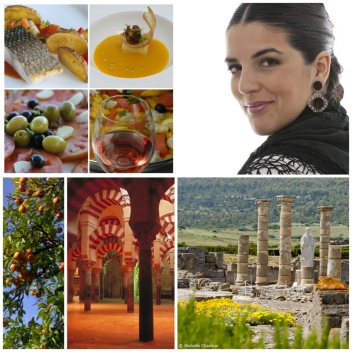
The chronicles mention a chapel located next to the Barranco de la Fuente Agria as early as the eighteenth century. The chapel has undergone several renovations. Rebuilt in the 1970s, it now has a very simple appearance and stands out for its sobriety in the Fuente Agria Natural Site, surrounded by centuries-old chestnut trees and with a spring at its feet. It is located off the A-4132.

Güevéjar

With its long history of being hit by two earthquakes, Güevéjar is the very definition of survival. The first, the famous Lisbon earthquake of 1755, destroyed much of the village, while the second, in 1884, was even more devastating. It opened cracks in the ground so big that the authorities were advised not to rebuild the village. Consequently, Güevéjar relocated to the Sierra de la Yedra, as the terrain there is safer and firmer. The village has a population of around 2,200.

Weather Forecast in Pórtugos

If you are considering visiting this town you will be interested to check the latest weather forecast for the next few days from the table below.

Eras Tradicionales

‘Threshing circles’, or eras, are normally circular surfaces paved with slate slabs. They are typically situated in areas where there is a strong wind, which makes it easier to separate the grain from the straw.

Iglesia de la Encarnación

The current church, built in the 1950s, stands on the site of an older church dating back to the sixteenth century. The church is Neo-Baroque in style inside, but has undergone a profound exterior transformation in recent years due to structural issues.

Festivals in Güevéjar

Popular festivals in Güevéjar are Cabalgata Reyes Magos, Carnavales, Día de la Cruz, Semana Santa, Fiesta del Libro, Fiestas Patronales de San Juan Bautista, Fiestas Patronales Virgen de las Angustias, and Fiesta de las Castañas.

BUS SERVICE

There is a bus service from Murtas to Albondón and Granada using the bus company, ALSA.

Iglesia de Santa Cruz

The church stands out from the rest of the town thanks to the ochre colour of its tiles and the brickwork of its walls. It dates back to 1501, when the parish was attached to that of Capileira de Poqueira. On 15 October that year, Diego Hurtado de Mendoza, Archbishop of Seville, canonically established the original parish of Pampaneira alongside 44 others in the Alpujarra Tahas.

Fuente de San Antonio

The fountain is located next to the Iglesia de Santa Cruz and is sheltered by a niche.

History of Pórtugos

Pórtugos' origins as an urban centre date back to the Roman Empire, as its name clearly has Latin roots, coming from the word 'portus', meaning 'place of passage'. However, no remains from this period have been found. It was during the Muslim period that the region, and Pórtugos in particular, developed.

Ermita de Santa Cruz

Built in the nineteenth century, the chapel marks the entrance to the town centre.

Iglesia de San Miguel

This neoclassical church dates back to the eighteenth century. It has three large naves and beautiful red marble decorations inside.