Latest Pages

Latest pages

We are committed to updating our pages as regularly as possible, allocating over half of our editorial resources to this essential task, to ensure that you can always find the latest, most reliable information on popular topics and places.

Here is a list with the latest pages that have been updated or created. Most recent are at the top of the list.
History of Juviles

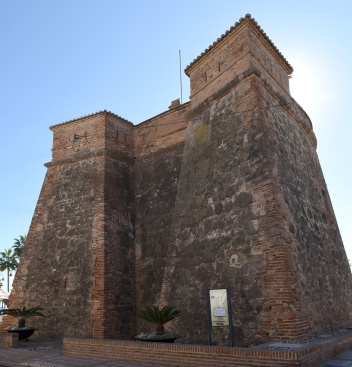
The earliest recorded information about Juviles dates back to the beginning of the Hispano-Muslim era in the eighth century, as evidenced by the fortress (El Fuerte de Juviles) dating from that period. Its location was chosen for strategic reasons, and in times of difficulty it protected the neighbouring towns.

Hornacinas

Hornacinas are arched niches that are usually cut into the thickness of a wall.

Ermitas

There are various small chapels throughout Lanjarón.

Festivals in Juviles

Popular festivals in Juviles are Cabalgata de Reyes Magos, Festividad de San Sebastián, Semana Santa, Moros y Cristianos and Fiestas en Honor de la Santísima Virgen del Rosario.

Pilares

There are up to 23 water fountains throughout the municipality that were used by ancient inhabitants to collect water for their homes.

Iglesia de la Encarnación

The church was built on the site of an early mosque between 1555 and 1560. This mosque was later destroyed by the Moors and its reconstruction was delayed until 1603.

FESTIVALS IN CÁDIAR

Popular festivals in Cádiar are Fiestas de San Blas, San Marcos, Semana Santa, Romería de San Isidro and Fiestas de Octubre

POSADA DEL COJO

The Posada or Mesón del Cojo was a popular stopping point for travellers heading to Cádiar, including Aben Jaguar, the uncle of Aben Humeya and self-proclaimed King of Granada, also known as "the Kinglet"

FUENTE DEL VINO

The Fuente del Vino has been designated a Site of Cultural Interest (BIC) by the Junta de Andalucía since 2008

BUS SERVICE IN CÁDIAR

There are bus services from Cádiar to Granada, Berchules, Albondón, Ugíjar and Almeria

IGLESIA DE SANTA ANA

The Church of Santa Ana was built in the second half of the sixteenth century, after the previous church was destroyed during the Revolt of the Alpujarras by the Moorish population