Seville

Itineraries from Seville airport

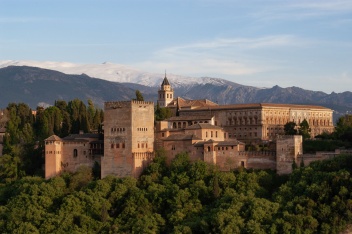
From Seville airport, you can head straight up into the Sierra de Aracena, a beautiful and little-known part of Andalucia. Visit a British-influenced mining town where football and golf were first played in Spain, and find out about this fascinating colony. You can also head to Cordoba, an easy two-hour drive, and then to Granada - with Seville, the three major historic Moorish cities of Andalucia.

La Cartuja, districts of Seville City

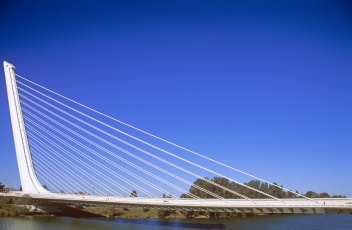
Home to the Exposición Universal 1992,known as Expo 92, this area to the north of Triana now houses a technology park; La Cartuja, a 15th-century monastery which has a contemporary art centre; university departments; a theme park, Isla Magica and some excellent concert venues. You can visit some of the Expo 92 pavilions

Los Remedios, district of Seville city

Los Remedios is an area of wide, straight avenues (strangely for Seville, with its narrow, windy streets) and large blocks of modern flats inhabited by the smarter end of society - this is the city's only purpose-built residential district.

Seville City Centre

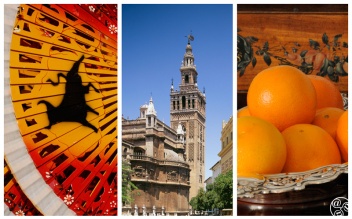
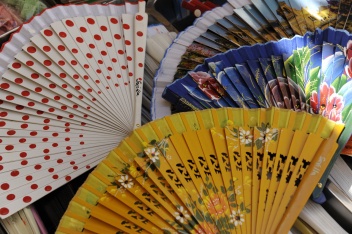
This area is between Plaza de Encarnacion and Plaza Nueva, and its main attraction is the shopping zone around calles Sierpes, Cuna and Velazquez/Tetuan. Come here to find excellent quality Spanish-made leather shoes, boots and bags, as well as the traditional fans and embroidered shawls - or just do as the locals do, and walk around browsing and discussing, before stopping for a coffee. Zara and Mango abound; other fashion chains include Blanco, Pull & Bear and Sfera.

Seville City - Fascinating Fact 7

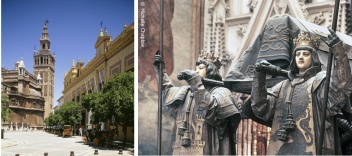
One of the most controversial of Seville´s many claims is that Cristobal Colón (Christopher Columbus) is buried here, in Sevilla´s mighty Gothic cathedral, variously described as either the third, second or biggest cathedral in the world (the other contenders being St Peter´s in Rome, and St Paul´s in London), depending on who you talk to.

Spring Fair Article

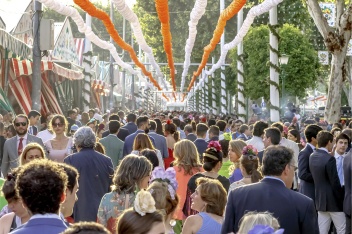
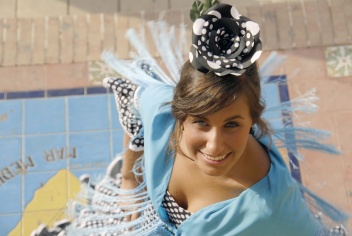
Those from Seville, Andalucia or, in fact, anyone who really wants to enter into the spirit of the "feria" dress up in their finery, ideally the traditional "traje de corto" (short jacket, tight trousers and boots) for men and the "farales" (flamenco style dress) for the women.

The Macarena Walls in Seville

These walls date from 1135, the time of the Almoravides, and were strengthened by the Almohades in the 12th and 13th centuries.