Seville

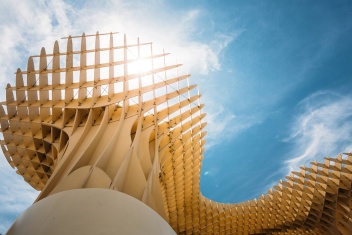
Las Setas

Las Setas (the Mushrooms), named due to its short pillars and broad shades, is the most ambitious, expensive and controversial urban project in Seville since Expo 92. Opened in 2011, and designed by German architect Jurgen Meyer H, it is now one of Seville's architectural icons, along with the Giralda, Torre del Oro, Plaza de España, and the Alamillo bridge.

Rent a bike

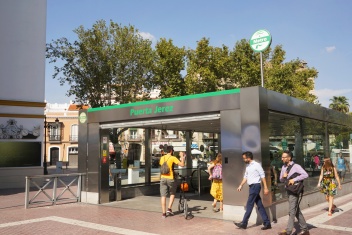
SEVici, Seville´s public bike rental service which started in 2007, has 2500 bicycles available from 250 stations around the city, approximately 300 metres apart. There are 120 km of cycle lanes in the city, making it one of the best-served cities in Spain for this extremely clean, green and healthy means of transport.

Taxi

Taxis are white, with a yellow stripe; look for the green light on the roof to indicate it's free. Extra charges for luggage, weekends, holidays and night time - see below for details. A taxi from the airport will cost around 20 euros.

Car and Parking

Don't drive in the old centre, the casco historico, unless it's unavoidable. If your hotel has a garage, that's ideal, but you're best off driving straight there when you arrive, and straight out again when you leave.

Tours

These aren't so much ways to get around, as ways to see the city, whether by horse-drawn carriage, open-top bus tour, or a boat trip on the river. A new, eco-friendly way to see the city is a Segway, a two-wheeled upright electric vehicle, with zero emissions. Especially useful in the centre, on traffic-free roads.

Hotel Sacristia Santa Ana

If it’s after-dark ambience you’re after, this one’s ideally located for you – you can’t get closer to the action than on the Alameda de Hercules itself. Once notorious for its louche inhabitants, the Alameda is the heart of bohemian Seville. This broad, tree-lined avenue, with its year-round buzzing outdoor scene, is lined with innovative restaurants and bars.

Parks, Gardens and Plazas

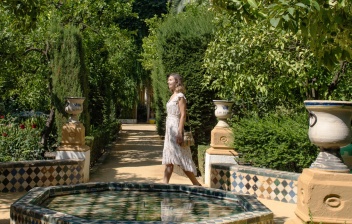
Seville has some of the most beautiful city parks in Europe, the Parque de Maria Luisa and the Plaza de España, as well as numerous plazas and open spaces where you can happily people watch for hours. For a leisurely stroll, it's hard to beat the Paseo de Colon on the banks of the Guadalquivir river which stretches from the bridge leading to the characterful area of Triana to the magnificent Toro de Oro.

Seville province Museums

See the Museums in Sevilla city and Sevilla province: Museo Arqueológico de Itálica, Museo de la Ciudad, Museo y Necrópolis Romana and more.

Seville City - Fascinating Fact 6

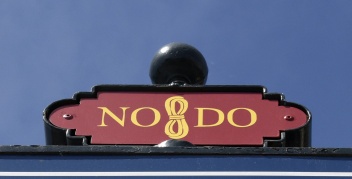
Visitors to Seville will notice a symbol on many signs around the city, from taxis and buses to sewer covers, consisting of the letters ´NO8DO´. This is the city´s logo, and legend says that it originates from the 13th-century coat of arms awarded to Sevilla by King Alfonso X the Wise.

Video tour of Sevilla

Things to See in Seville, 10 min video tour A walking tour of the highlights of Seville by Simon Standish in 2016, take you round the main sights.

All About Seville

Much of Seville's interesting history can be seen first hand at one of the many buildings and other sites still standing in the city. Alternatively there is an abundance of museums and art galleries where one can gain insight into the past and present culture that makes up Seville.

Below we have included a bit more information on some of the finer details worth knowing. Learn about the different neighbourhoods or districts that make up the city or read up on the fascinating facts that everyone should know.

Hostals & Hostels in Seville

Seville is a marvel. It’s a city of various diverse (and wildly beautiful) neighbourhoods: the narrow alleyways of the Barrio de Santa Cruz are lined with glorious old palaces and stunning plazas… the Alfalfa, Triana, the Macarena and Santa Catalina, meanwhile, all teem with life.

Flamenco Shows in Seville city

Let the spirit of flamenco sweep you off your feet with a lively introduction to the roots and culture of this fiery dance form.

Seville City

According to legend, Sevilla was founded by Hercules and its origins are linked with the Tartessian civilisation. Called Hispalis under the Romans and Isbiliya by the Moors, the high point in its history was following the discovery of America in 1492, when wealth flooded in from the "New World". For all its important monuments and fascinating history, Sevilla is universally famous for being a joyous town.