Algámitas
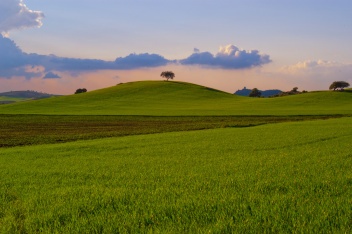
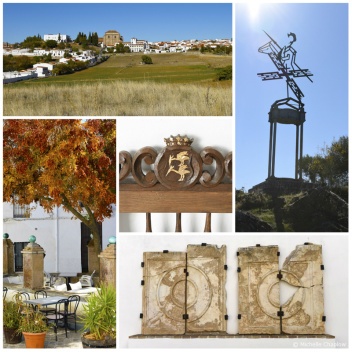
Algámitas is home to the large rock known as, El Peñón, which sits opposite to the highest point of Seville, Pico del Terril, and Sierra de Tablone. It has about 1, 200 inhabitants.
Algámitas is home to the large rock known as, El Peñón, which sits opposite to the highest point of Seville, Pico del Terril, and Sierra de Tablone. It has about 1, 200 inhabitants.
Aguadulce is home to some of the best quality Spanish purebred horses, raised in the "Hermanos Maldonado" Stud. They have won various prizes from institutions, like SICAB, that recognise their prestige. It has about 2000 inhabitants.
Baños de la Encina offers visitors interesting historical and artistic heritage as well as attractions for lovers of nature. Once called simply Baños, the village adopted ‘de la Encina’ (‘of the holm oaks’) in the thirteenth century, after a reported apparition of the Virgin Mary amongst the oak trees.
Although of significance to both the Iberian and Roman civilisations, it was the Moors who brought splendour to Iznatoraf. During this period, and later under Christian rule, strong links were forged with Granada and Córdoba, and the village prospered.
South of Cordoba, the N331 threads its way through the undulating fields known as La Campiña, dominated by vineyards and vast olive groves. Surrounded by vineyards, Montilla is famous for its excellent wine of the same name; visit one of its bodegas to try it for yourself. Ten kilometres south of Montilla is Aguilar de la Frontera, worth a stop to see its unusual octagonal square.
The Río Guadalquivir flows slowly westwards towards Seville through the fertile heart of Cordoba province, with some interesting towns situated on the river plain.
The Sierra Morena is an area of sparsely populated rolling hills that run across northern Andalucia, creating a natural barrier between Extremadura to the north and Andalucia. Few tourists venture into these wild and remote pine- and oak-clad hills, with its landscape, atmosphere and village architecture more typical of adjacent Extremadura or Castilla La Mancha than the rest of Andalucia, to which it belongs.
Opposite the village is a small island, also called Sancti Petri, with a ruined 17th-century castle, whose tower has been rebuilt and is now used as a lighthouse.
Roquetas de Mar is a fishing town just 15 minutes by car from the provincial capital, Almería. It is famed not only for its fishing traditions, which are preserved today through gastronomy and annual festivals, but also as a coastal resort town. It has around 94,900 inhabitants.
La Campiña is the name of a 'comarca' (region or area) in the centre of the province of Seville. It is made up from 23 municipal districts and other small villages.
Estepa is famous for two very different reasons. Chiefly it is renowned for the biscuits known as polvorones and mantecados which bakers make each Christmas and are traditionally eaten across this region of Andalucía. Its other claim to fame is a grisly mass suicide 2,200 years ago.
Umbrete is not only known for its production of excellent and highly rated mosto (grape juice), but also for its historic and artistic wealth. It has about 8,600 inhabitants.
Sierra Norte is the name of a 'comarca' (region or area) in the north of the province of Seville. It is made up from 18 municipal districts and even more small villages.
The northernmost settlement on the edge of the the Sierra del Norte Natural Park, Guadalcanal is a pretty village with several Mudéjar churches and a ruined medieval castle and walls. It has about 2800 inhabitants.
El Madroño sits directly on the Ruta de la Plata, in a peaceful area surrounded by parkland and trees. It has about 350 inhabitants.
Cazalla de la Sierra is the second-largest town in the Sierra Norte Natural Park. It boasts one of the finest churches in the Sierra Morena, as well as grand mansions, several monasteries, including one which has been converted into a hotel and arts centre, liqueur factories and wineries. The town has about 5000 inhabitants.
El Castillo de las Guardas is situated in the north west of the Seville province and consists of 10 other hamlets within its municipal: La Alcornocosa, Archidona, Arroyo de la Plata, La Aulaga, Las Cañadillas, El Cañuelo, Las Cortecillas, El Peralejo, Peroamigo, y Valdeflores. It has about 1500 inhabitants.
Aljarafe is the name of a 'comarca' (region or area) in the north to north east of the province of Seville. It is made up from 30 municipal districts and even more small villages.
Alcalá de Guadaíra used to be known as Alcalá de los Panaderos; the word panaderos meaning bread-makers, as this town supplied most of Seville's bread. It has about 75, 000 inhabitants.
El Garrobo is one of the smallest villages in the province of Seville, occupying a transition space between the regions of Aljarafe and the Sierra Norte. It has about 800 inhabitants.