Northern Málaga Province

Only around 50km northwest of Malaga is some surprisingly rugged landscape with a dramatic gorge, several immense reservoirs and a scattering of Moorish towns and villages with intriguing histories. Also here is one of the most impressive limestone landscapes in Europe, the Torcal de Antequera Natural Area.
Lake Viñuela

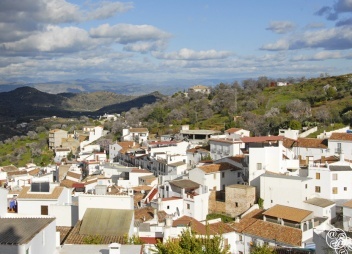
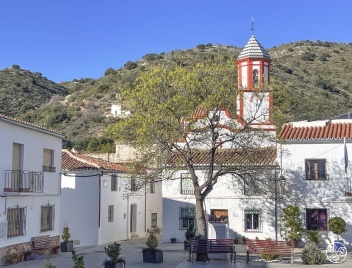
Lake Viñuela is set in the stunning landscape of the Axarquia in Malaga province. Less than an hour’s drive from Malaga International Airport, La Viñuela is a very popular destination for those who hope to enjoy the unspoiled beauty of Andalusia. It has also been chosen by many Spanish and foreigners alike to become their home, enjoying life in its beautiful surroundings.

Parauta

Though only a small pueblo of less than 220 inhabitants, Parauta’s municipal district of 44 square kilometres stretches from the wooded Alto Genal valley and deep into the rugged limestone Sierra de las Nieves Natural Park. As at Igualeja, the traveller would hardly notice they are passing through the district, unless they stopped at the rustic service station on the San Pedro-Ronda road.

Guadalhorce, Campanillas, Guadalmedina Valleys

Guadalhorce, Campanillas, Guadalmedina and Grande are the river valleys that converge on the coast at Malaga city. Together they form an interesting area, mainly agricultural supported by small towns such as Alhaurin and Coin. The fertile river plains inland from Malaga city support ligh industry and citrus fruit agriculture, whereas further inland and higher up the valleys one finds smaller villages such as Alhora, Almogia and Ardales. on of the main atraction located in this area is the Caminito del Rey footpath and the lakes at El Chorro.

Guaro

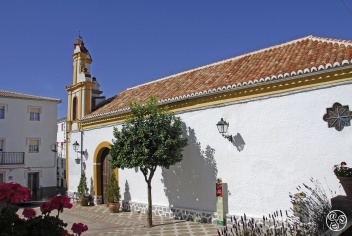
Guaro is a modest white village on the edge of the Sierra de las Nieves natural park. Thanks to its elevated position, at over 350 metres above sea level, the village offers privileged views across the surrounding countryside. Some of the best vistas are from its 16th century church of San Miguel, found at the top of the village’s narrow, winding streets.

Atajate

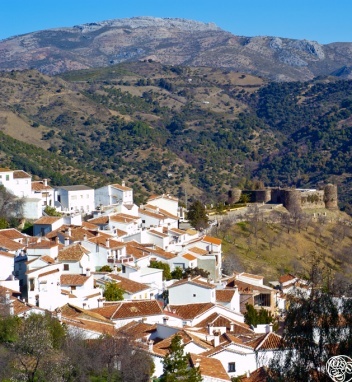
Atajate is both a municipality and a tiny village in Málaga’s Ronda mountains (Serranía de Ronda). The village itself is part of the White Pueblo Route and is home to under 200 people, known as Atajateños. It’s known for both its beauty and natural surroundings.

Pujerra

This mountain village is one of the most isolated in the Serrania de Ronda. It lies a long and windy 11km from the A-376 San Pedro-Ronda road, beyond the village of Igualeja. With a 4x4 or taking it slowly, a basic 'Jubrique track' leads over the mountains from the MA-8301 Estepona - Jubrique road. It can also be reached via another track from Juzcar and across the Rio Genal.

Benadalid

Benadalid is a village that is working hard to develop its reputation for quality rural tourism. With a perfect location, this has not been difficult as the town is situated in the Genal River Valley and close to the Guadiaro Valley and surrounded by Cuco mountains and near the “Tajo de los Aviones” and “Tajo de la Cruz” gorges.

Benarrabá

This hidden village can only be approached by car, along its own short but mountainous 3-kilometre road. To find the turn off, look for Gaucín on the map and the junction to the right is 5 kilometres to the north. The municipal district was probably much larger as the pueblo was once the site of an important village.

Marbella Nightlife

Marbella is famous throughout the world for its glitzy image and glamorous night life. Many of the exclusive venues are located in Puerto Banus and on the Golden Mile. many visitors who come to Marbella come to party, and there is no shortage of late night bars, music bars and night clubs and restaurants.

Villa Rentals & Holiday Homes

Renting a villa or holiday home gives you ultimate freedom to do what you want on holiday. Villas in Marbella are special and offer all the imaginable facilities, including private swimming pools, views of the ocean, private parking and much more.

Marbella Districts

Marbella extends much further east and west along the Costa del Sol than the town. Within the Marbella municipal district limits you will find a wide variety of sub-districts or neighbourhoods, most of which are dominated by spectacular views of "La Concha" mountain which towers behind the town.

Marbella - Five Fascinating Facts

Marbella is known as the playground of Europe's rich and famous. If the Costa del Sol was conceived as Europe's Florida, then Marbella is its Miami. Situated between Malaga and Gibraltar, this exclusive resort is where numerous international celebrities and royalty relocate for the summer, hiding out in private villas and exclusive five-star hotels, or on their luxury yachts.

Tourist Office

La Carihuela Tourist Office. The Carihuela , Torremolinos Tourist Office is located on the Paseo Marítimo de La Carihuela (under Hotel Amaragua) just to the west of Plaza del Remo. Paseo Marítimo de La Carihuela.

Torremolinos Beaches

There are six main beaches in Torremolinos: Los Alamos, Playamar, Bajondillo, La Carihuela, Montemar and El Saltillo. The 7 km main promenade has recently undergone improvements with additional landscaping and wider pavements. Now all the beaches are linked.

Torremolinos Nightlife

Torremolinos has long enjoyed a reputation as one of the liveliest resort towns on the Costa del Sol.  Torremolinos has always been popular for its glamourous nightlife and bohemian care-free attitude and this reputation was gained during the 1960s and '70s. Torremolinos' interesting history tells of the rich and famous, the beatniks and bohemians, and mass tourism frequenting the town's night clubs.

Festivals in Torremolinos

Like all the towns in Andalucia Torremolinos celebrates numerous traditional festivals. Here are some of the more important. See our festival page for more background information on these festivals.

The Marina

The Marina is located in the centre of the seafront promenade that leads eastward all the way to Torremolinos and westwards all along the front of Benalmadena. The marina is a very pleasant place for a stroll and to watch the boats. There are numerous bars and restaurants open at lunch time and in the evening.

History of Torremolinos

Torremolinos history is up to 1950 is similar to that of many coastal towns of Andalucia. In the 1950's it became the ‘in place' and in the 1960's experienced ultra growth due to the tourism boom.