Castellar de la Frontera

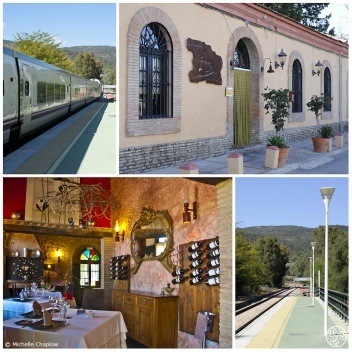
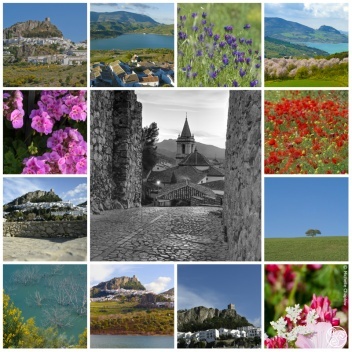
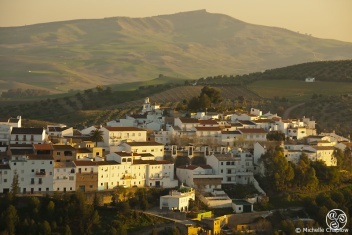
The old village of Castellar de la Frontera is perched high on a hilltop in the province of Cadiz, with commanding views over the Guadarranque reservoir. The village is easiest reached from the A-405 road that leaves the coast at San Roque, branching off to Castellar on the (CA-P-5131) after just 10 kilometers.

Los Barrios

Los Barrios is an interesting small town in the Campo de Gibraltar just inland from the N340 coast road between Algeciras and Sotogrande. The so-called 'Ruta del Toro' (Bull Route) begins here. The A381 leads from Los Barrios, which is now served by a new by-pass across the top to Jerez de la Frontera. Along this road there are many bull farms.

Roche

The modern beachfront development of Urbanisacion Roche is located on the Costa de la Luz, between the coastal conurbations of Novo Sancti Petri and Conil de la Frontera. It is about 15km northwest of Conil.

San Pablo de Buceite

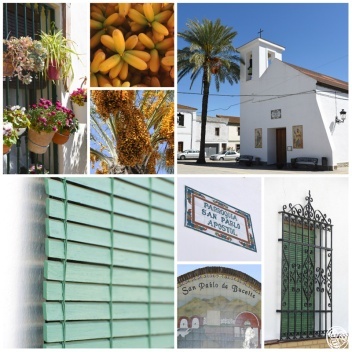
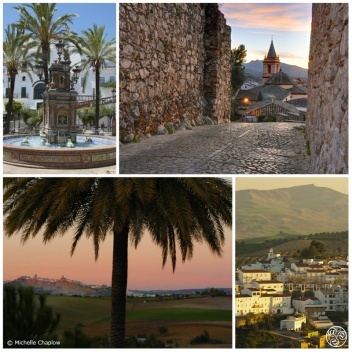
This lovely Andalusian village is located in Cádiz province in the area known as the “Campo de Gibraltar”. It is in the northwestern part of the Jimena de Libar municipality and claims to have more hours of sunshine than any other town in the province of Cádiz: 2,600 hours per year. Combine this with the ideal mix of subtropical and Mediterranean seaboard climate and you have a perfect place to visit or live.

El Puerto de Santa Maria

Like so many towns in Andalucía the approach to El Puerto de Santa María along the main road is lined with garages, industrial plants and run down buildings. Keep going and cross the River Guadalete on the NIV (if coming from south) and turn into Calle Ribiera de los Mariscos and park in one of the car parks signposted.

San Martin del Tesorillo

This white village is famous for its orange groves and its emblematic half-moon-shaped, steel truss-girder bridge which spans the river Guadario as it flows down to the Mediterranean. San Martín del Tesorillo is 22km south-east of Jimena de la Frontera, in the Campo de Gibraltar, right on the border between Cadiz and Malaga provinces. It became a 'entidad local' (sub-district) of Jimena in 1999.

Los Caños de Meca

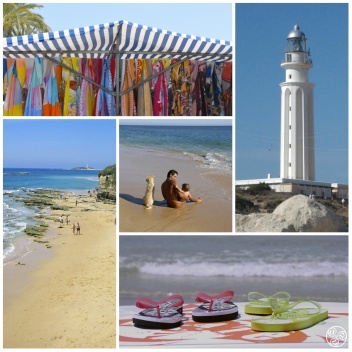
Caños de Meca is a small, unspoiled community on the windswept but stunning Costa de la Luz. Deep in the Parque Natural del Acantilado, Caños de Meca has beautiful beaches, backed by cliffs and pine trees. Perched on the cliff-tops straddling the coast road, this little village is fast waking up to a reputation as a trendy place for beatnik travellers and wave-jumpers to spend the summer.

Grazalema

Located in a high valley over 800m in the Sierra del Endrinal and dominated by the magnificent rocky outcrop known as Peñon Grande, the pretty mountain village of Grazalema is most popular base for visitors to the Sierra de Grazalema Natural Park. The park is a vast protected area of rugged limestone mountains, which are famous for being the rainiest place in Spain.

Rota

Rota, an ancient town, stands at the extreme north of the Bay of Cádiz in a privileged position. The town opens out to the Atlantic and behind are two national parks, the Natural Park of the Bay of Cádiz and the Doñana. It is also a town of two extreme contrasts.

Baelo Claudia

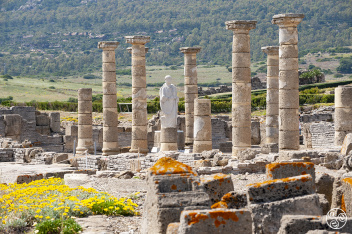
Baelo Claudia, near Tarifa, is one of Andalucia´s most significant and well-preserved Roman archeological sites. The extensive ruins are situated on the Costa de la Luz, some 15km north of Tarifa, by the small town of Bolonia and its beautiful beach. The site´s important history rests on the former city having been a strategic point for trade routes between Europe and North Africa.

Zahara de los Atunes

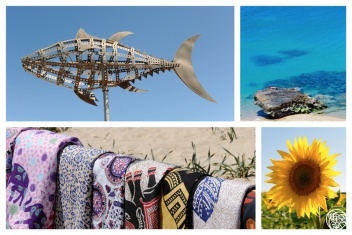
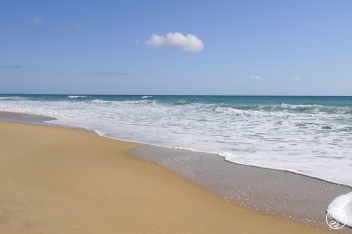
Zahara de los Atunes is one of the most charming, and fashionable, towns on the Cadiz Costa de la Luz. With a stunning beach, boasting crystal-clear waters and golden sand, Zahara's main advantage over some other beach resorts in the area, which consist largely of hotels (albeit low-rise) and restaurants lining a beachfront road, is its villagey feel.

Algeciras

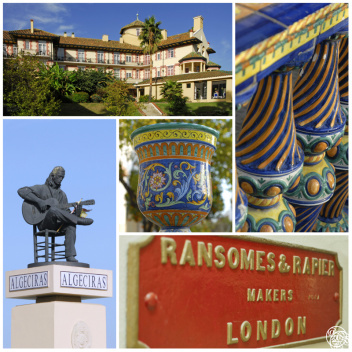
Algeciras is primarily and unashamedly a port and industrial centre, sprawling round the bay to Gibraltar. When Franco closed the border with "the Rock" at the nearby La Linea, it was Algeciras that he decided to develop to absorb the Spanish workers who used to be employed in the British naval dockyards and in order to break the area's dependence on Gibraltar.