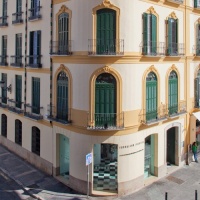
Teatro Romano Málaga
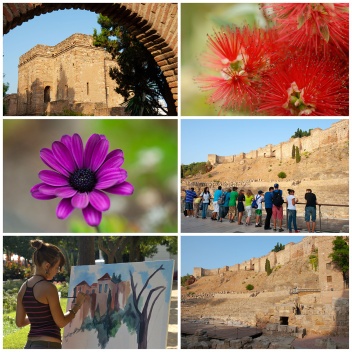
El Teatro Romano is the oldest monument in Málaga City, it is situated in the cultural heart of Málaga city, at the foot of the famous Alcazaba fortress.
The Giralda
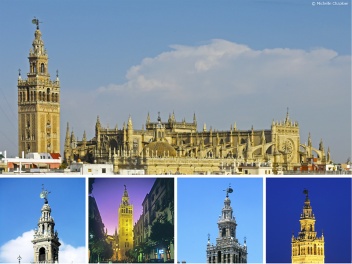
Icon of Seville, the magnificent Giralda was the tallest building in the city for over 800 years, dominating the skyline at 103m. Originally built in 1195 as the minaret of the Aljama mosque, it is now the belltower of the cathedral, and is recognised as World Heritage by UNESCO.
Art Galleries
The two most important are the Museo de Bellas Artes and the Centro Andaluz de Arte Contemporaneo. One of the most prestigious of all Spain's Fine Arts Museums, the beautiful Museo de Bellas Artes is a former monastery and has a superb collection of art by Spain's most celebrated painters including Zurbarán, Murillo and Valdás Leal.
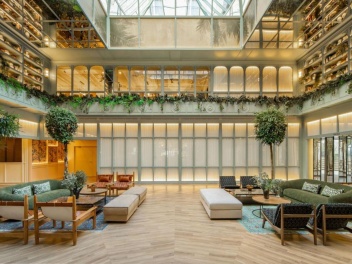
Hotel Only YOU Sevilla (formerly Hotel Ayre)
Seville City Museums
Seville has many excellent museums representing a wide range of subjects, historical periods and styles.
Las Setas
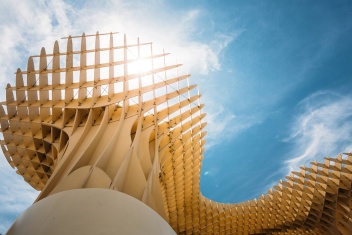
Las Setas (the Mushrooms), named due to its short pillars and broad shades, is the most ambitious, expensive and controversial urban project in Seville since Expo 92. Opened in 2011, and designed by German architect Jurgen Meyer H, it is now one of Seville's architectural icons, along with the Giralda, Torre del Oro, Plaza de España, and the Alamillo bridge.
Parks, Gardens and Plazas
Seville has some of the most beautiful city parks in Europe, the Parque de Maria Luisa and the Plaza de España, as well as numerous plazas and open spaces where you can happily people watch for hours. For a leisurely stroll, it's hard to beat the Paseo de Colon on the banks of the Guadalquivir river which stretches from the bridge leading to the characterful area of Triana to the magnificent Toro de Oro.
Alcazaba of Málaga
La Alcazaba is Malaga's most important landmark, and overlooks the city from a hilltop inland. It is one of two Moorish fortresses in the city, the other being the Castillo de Gibralfaro, situated above. The Alcazaba is the best-preserved Moorish fortress palace in Spain. It received about 1 million visitors in 2016.
Malaga City Museums
Whether you like wine, archaeology or cars; you’re interested in glass, contemporary art or 19th century painting, you’re sure to find at least one museum which will interest you in the city. Most visitors to Malaga go to the Picasso museum and his birth house, as the painter is the most famous son of the city. There is also a first rate art museum now which focuses on Andalucian art – the Museo Carmen Thyssen.
Marbella - Five Fascinating Facts
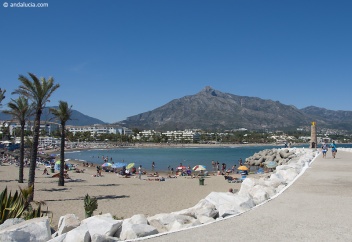
Marbella is known as the playground of Europe's rich and famous. If the Costa del Sol was conceived as Europe's Florida, then Marbella is its Miami. Situated between Malaga and Gibraltar, this exclusive resort is where numerous international celebrities and royalty relocate for the summer, hiding out in private villas and exclusive five-star hotels, or on their luxury yachts.
Cuevas de Nerja
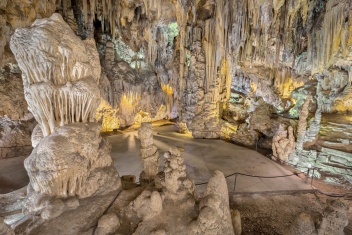
Las Cuevas de Nerja (the Caves of Nerja) are a series of naturally formed caves and caverns in the hills of Maro, 4km North-East of Nerja, some of which have taken up to two million years to form. The caves contain the widest naturally-formed column in the world, at 32m high and 13x7m at its base. Formed by the merging of a stalagmite and stalactite, it has held the Guinness World Record since 1989. The caves also famously host the annual Nerja International Festival of Music and Dance.
Bioparc Fuengirola
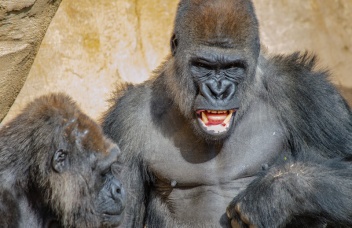
Zoos aren't what they used to be, fortunately. You won't find miserable animals pacing up and down shoebox cages, clinging to solitary branches or paddling around in sad puddles at Bioparc Fuengirola - Fuengirola's visitor and animal-friendly zoo.
Museums in Andalucia
Andalucia, with its rich history and cultural heritage, is a treasure trove for art and history enthusiasts. The region's cities, each with its unique character, boast a wide array of fascinating museums that offer a glimpse into the region's past and present.
Huelva Province
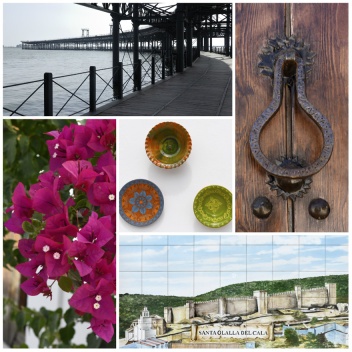
Huelva is one of the least-visited regions in Andalucía, but it has many unique places to discover and explore, from cork oak-covered hills, to deserted beaches. Indeed, this province's escape from mass tourism is one of its main attractions. It lies at the western edge of Andalucía, bordered by Portugal to the west, Seville province to the east and the region of Extremadura to the north.
Jaén Province
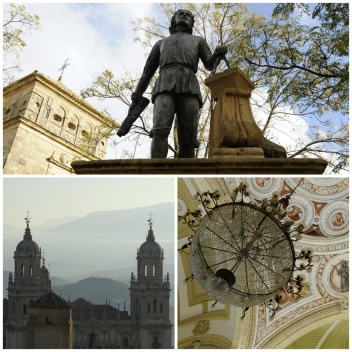
Jaén is probably best known for its abundance of olive trees which dominate the landscape and punctuate the horizon, interspersed by stark white-washed farms and houses against a deep orange backdrop; the colour of the soil. This province is the world's leading producer of olives and olive oil.
Cordoba Province
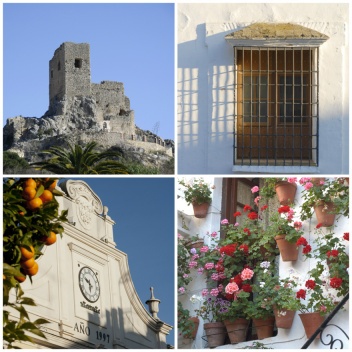
The countryside of Cordoba province is extremely varied, from rolling plains around Cordoba city, the Guadalquivir basin and south to Seville province, to forbidding mountain ranges with jagged peaks in the north and west. Dotted around the province are many pristine whitewashed villages with Baroque churches, Moorish castles and flower-festooned courtyards.
Seville Province
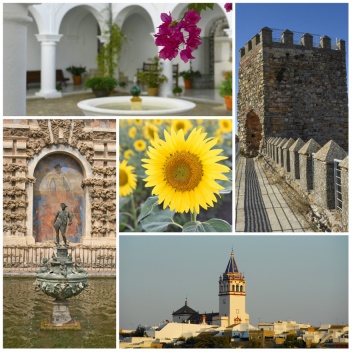
Relatively few foreign tourists venture beyond the delights of Seville city and the region's main transport arteries to Cordoba, Cadiz, Malaga and Huelva. But there are abundant places to explore - Baroque and Renaissance towns in the Campina, and the stunning Sierra Norte countryside of rolling olive fields dotted with small, characterful towns.
Baelo Claudia
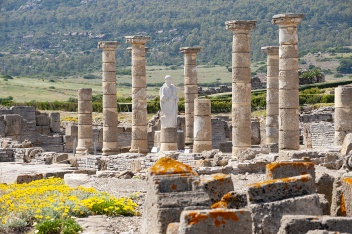
Baelo Claudia, near Tarifa, is one of Andalucia´s most significant and well-preserved Roman archeological sites. The extensive ruins are situated on the Costa de la Luz, some 15km north of Tarifa, by the small town of Bolonia and its beautiful beach. The site´s important history rests on the former city having been a strategic point for trade routes between Europe and North Africa.
Picasso Birthplace Museum: Entry Ticket
Revisit the life and works of Pablo Picasso in the birthplace of the world-famous artist. See his works, family memories, a library, and even a recreation of a 19th-century study.