Do you want to find out some little-known interesting facts about Andalucia’s most famous towns, cities and pastimes? Which films were shot in Seville, why the Mezquita was built with its pillared arches, which Beatle loved Almeria, who brought golf to Andalucia?

Our Fascinating Facts series are five snippet-sized unusual pieces of information about well-known places you’re likely to visit while you’re in Andalucia.

Huelva City - Five Fascinating Facts

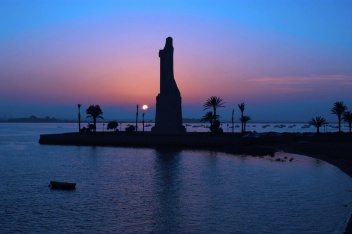
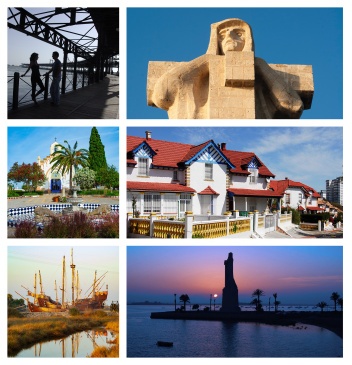
Huelva has always been known more for the beaches in the surrounding area, than for the city itself. Known by the Phoenicians as Onuba, it has a long history, closely linked to the sea and nearby mineral riches, and apart from the less attractive industrial port area, has some interesting sights, although many monuments were destroyed in the 1755 Lisbon earthquake.

Granada City - Fascinating Fact 2 - New Mosque

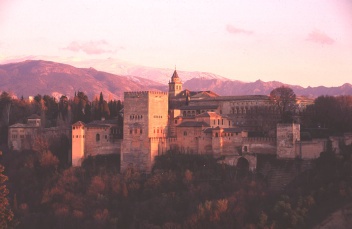
In 1981 a group of Spanish Muslims, mostly converts, launched plans for a brand new mosque in Granada, funded by various Muslim countries who have never lost their love for the city.

Cordoba City - Fascinating Fact 2 - Leather and whips

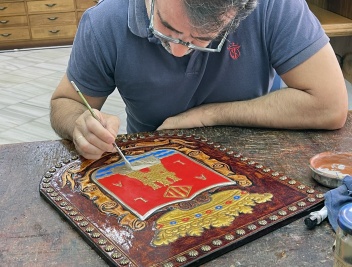
As well as the typical collections of archaeology, fine art and bullfighting paraphernalia, Cordoba also has some more unusual museums: leather art, patios and torture. The city is famous for its leatherwork, and its most historic technique, guadameci, is an intricate embossed design with gold, silver and coloured paint, unique to Cordoba, which dates back to the 10th century. /p>

Cordoba City - Five Fascinating Facts

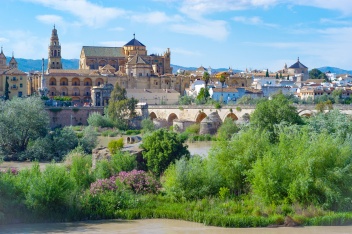
Cordoba is best known as being home to one of Andalucia's three great monuments: the Mezquita, the other two being Seville's Alcazar and Granada's Alhambra. Like the other two, the city embodies the region's rich cultural and religious history: the Mezquita - which dates from Cordoba's zenith, as capital of Al-Andalus and the largest and most important city in Western Europe, with 500,000 inhabitants.

Cadiz City - Fascinating Fact 2 - Name that City

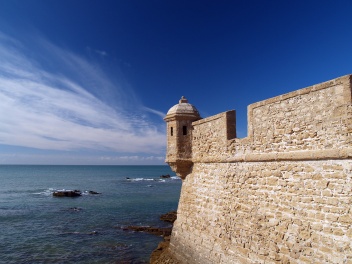
The oldest continuously-inhabited city in the Iberian Peninsula, and possibly all of southwestern Europe - it was founded in 1104 BC - Cadiz´s fascinating history and varied fortunes can be glimpsed through the development of its name over the centuries. The Phoenicians called the city "Gadir", which means "walled stronghold"; the Berbers subsequently changed this word to "agadir", meaning "wall". In Greek, Cadiz was called was "Gadeira" - according to Greek legend, Hercules founded the city after his tenth labour.

Cadiz City - Five Fascinating Facts

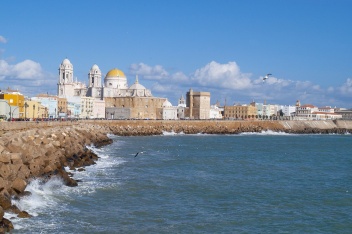
Cadiz´s name and reputation have forever been linked with its maritime adventures. It was from this ancient port city, dramatically situated on a spit of land surrounded on three sides by the sea, that two of Columbus´ four voyages set out for the New World. During the Franco era it was known as a hotbed of dissent, with its legendary carnival continuing despite the dictator´s ban on such decadent events.

Almeria City - Fascinating Fact 2

Like Rio Tinto, in Huelva province, Almeria became a focus for French and British mining companies in the 19th century, reviving the city's flagging fortunes, with the Alquife mines in the interior producing iron, lead and gold. A new railway line (Almeria-Linares) and port were constructed, the most notable remains of this period of industrial prosperity being the Cable Ingles, a huge iron railway pier used to transport the mineral ores to the waiting ships which dates from 1902.

Almeria City - Five Fascinating Facts

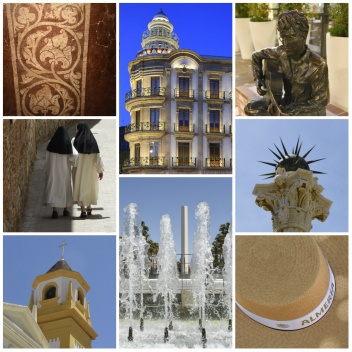
Almeria was, until recently, the last well-known of Andalucia's provincial capitals. These days, however, thanks to the growing popularity of the province's beaches, especially nearby Cabo de Gata and its natural park, more visitors are getting to know Andalucia's fastest-growing major city. It remains, for now at least, largely uncommercialised.

Marbella - Five Fascinating Facts

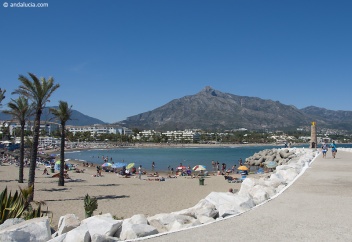
Marbella is known as the playground of Europe's rich and famous. If the Costa del Sol was conceived as Europe's Florida, then Marbella is its Miami. Situated between Malaga and Gibraltar, this exclusive resort is where numerous international celebrities and royalty relocate for the summer, hiding out in private villas and exclusive five-star hotels, or on their luxury yachts.

Tarifa - Fascinating Fact 3 - Out of Africa

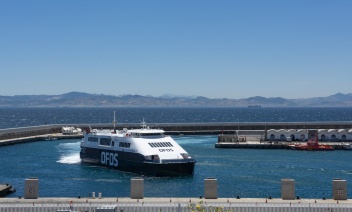
Tangiers can be reached by ferry from Tarifa in just 35 minutes. The Moroccan port has a fascinating history: after years under joint French and Spanish control, it was designated an "international zone" in the 1920s and remained so until independence in the 1950s, becoming a haven for Europeans in search of an alternative lifestyle, spies and eccentric millionaires; writers attracted by its liberal multiculturalism and vibrant, exotic atmosphere, include Tennessee Williams; William Burroughs, Jack Kerouac and Allen Ginsberg; and Paul Bowles (who died here). Matisse also painted in the city.

Tarifa - Five Fascinating Facts

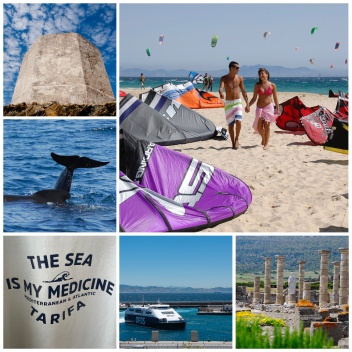
Famous for being the European capital of kite-surfing and located at the southernmost tip of Spain, Tarifa has a laid-back atmosphere all of its own. With its reliable breezes, kilometres of sandy beaches and a Moorish fort, it is a relatively small town which offers fantastic watersports all year round, fascinating history, and excellent nightlife.