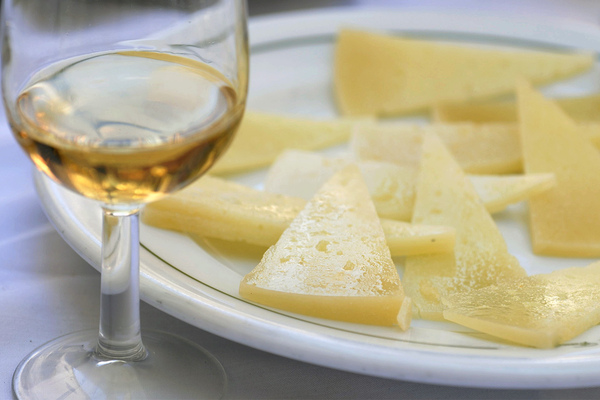
Fino – dry sherry from Jerez de la Frontera and El Puerto de Santa Maria.
Seville Feria - Glossary of Terms
Fiona Flores Watson
Some important Feria terms so you can sound like a local
Albero - traditional yellow sand (its colour is emblematic of Sevilla) on the ground of the recinto - can get dusty in hot weather, turns to mud when it rains.
Alumbra(d)o - when all the portada´s lights are switched on, at midnight on Monday. This is the traditional beginning of the Feria
Caseta - private house-tent of varying size owned by groups of friends, or associations, where they, and those invited by them, eat, drink and dance
Farolillo - coloured pleated paper balls, in red, green or white, used to decorate casetas and streets of the recinto. Some have logos of manzanilla sherry brands
Calle de Infierno – the funfair of the Feria, featuring bumper cars, water rides, ghost trains, and several norias ( big wheels). It is situated to the west of the casetas, next to the car park.
Cartel – a new Feria poster is designed each year, adorned with the year.
Compas – The rhythm of the sevillana dance is ¾ – 1,2,3 – 1,2,3 (the 1 is stronger than the other two beats).
Corrida – a bullfight. There is one every day during the week of the Feria, and some people go to the bullfight before arriving at the Feria in their horse-drawn carriage.
Portada – the entrance gate to the Feria, which has a different theme each year, chosen from entries to a design competition. The work of constructing the portada starts in December, and it is usually around 40m high by 50m wide, and is covered in around 30,000 lights. This is a popular meeting point for friends when they arrive. There is also an information point just inside.
Rebujito - a mix of Manzanilla (see above) and lemonade, served in a jug with ice, along with small plastic glasses.
Sabado de pescaito - on Saturday night, the first official night of the Feria, the traditional dish is fried fish
Sevillanas – This is the folkloric dance of the Feria, with its roots in flamenco. The dance is in four parts, and is performed in pairs (men and women, or women together). People dance in their casetas after lunch, when the tables have been cleared away. The music may be played and sung live by a group in the caseta, or as recorded music from speakers.
Traje de Flamenca – also known as a traje de gitana, this is the long, close-fitting frilled flamenca dress worn by women at the Feria. They come in all colours and patterns, though the traditional is spots, and in various sleeve lengths, necklines and styles of volante (ruffle). Typically worn with accessories in a complementary shade: shawl, necklace, earrings, comb and flower. The classic cut of a traje de flamenca is tight over the bust, waist and hips, and then flaring out in layers of frills. For the 2023 season, a new popular style has the skirt flaring out from the waist, like a regular dress.
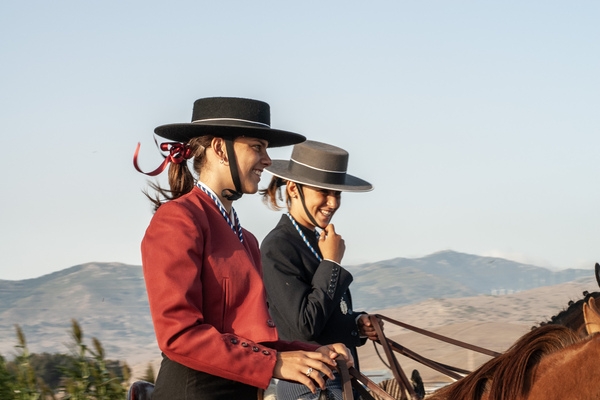
Paseo de Caballos y Enganches – the parade of gleaming horse-drawn carriages and men and women on horseback, from 12 midday to 8pm every day of the Feria. Some of the carriages are privately owned, but many are hired for the day. You can also hire one by the hour. This is one of the most photogenic sights, at one of the most stunning events, in Andalucia.
Recinto Ferial, El Real de la Feria – two names for the area of the fairground where the casetas are located.
Ok so you love flamenco, the next step is to shop for your very own outfit. The vocabulary involved can a little daunting so Andalucia.com have come up with a list for our readers of Spanish words… More →
Andalucía is home to some of the most significant prehistoric monuments in Europe, particularly the UNESCO World Heritage site of the Antequera Dolmens and the Copper Age settlements of Almería… More →
This is an explanation of the terms used on signboards outside churches and monuments all around Andalusia, including types of churches, interior layouts, decorative features, and architectural… More →
Markets (mercados) are a common sight in towns and villages throughout Costa del Sol are an essential part of local life largely unaffected by competition from supermarkets and hypermarkets. They… More →
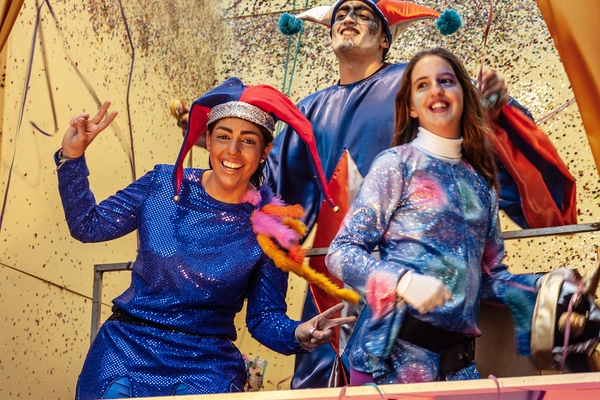
Are you planning your trip to the Carnival but feel nervous about actually speaking Spanish? We've created a special collection of carnival words, to add to the fun!
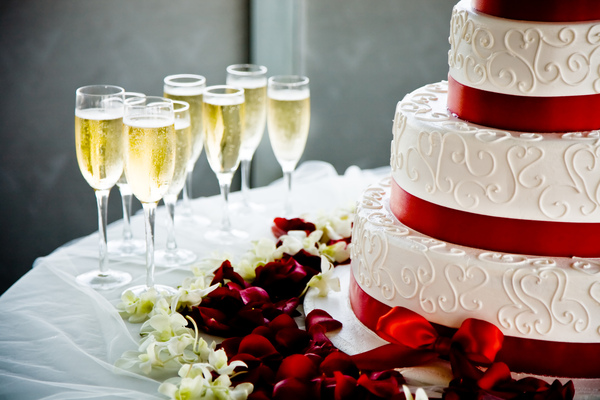
In Spanish, the wedding cake is called -Tarta nupical
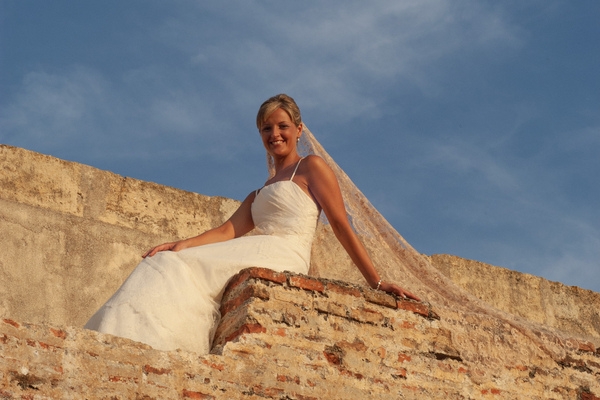
Journalist and author Theresa O'Shea tied the knot with her long-standing Spanish partner on Spain's Costa del Sol and has produced a linguistic and cultural survival guide to a Spanish weddings… More →
Journalist and author Theresa O'Shea tied the knot with her long-standing Spanish partner on Spain's Costa del Sol and has produced a linguistic and cultural survival guide to a Spanish weddings… More →
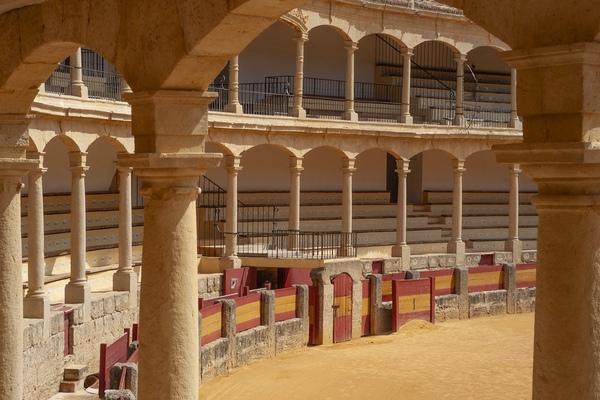
A bullring is knows as a plaza de Toros in Spanish
On this page you will find a Glossary of geographical terms from Aldea, a small village or hamlet to landmarks such as a venta a country or roadside Inn.
Just have a go with Spanish! Even if you're a beginner, even on the slopes.
It is always helpful to learn some useful vocabulary that will make the trip excursion even better, even though most of the staff working in Sierra Nevada speak good English.
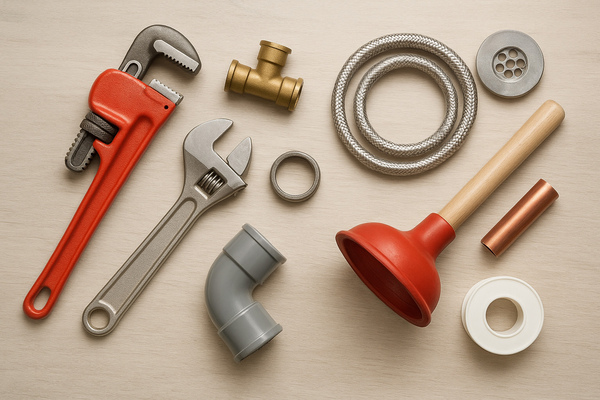
Plumbing is one of the domestic aspects most likely to need the services of a professional. You will find numerous reasonably-priced and efficient plumbers in Andalucia; pricing is more economical… More →
Fino – dry sherry from Jerez de la Frontera and El Puerto de Santa Maria.
Some important Feria terms so you can sound like a local. Albero - traditional yellow sand (its colour is emblematic of Sevilla) on the ground of the recinto - can get dusty in hot weather, turns… More →
Learn your water vocabulary a - Glossary of water terms in English and Spanish.
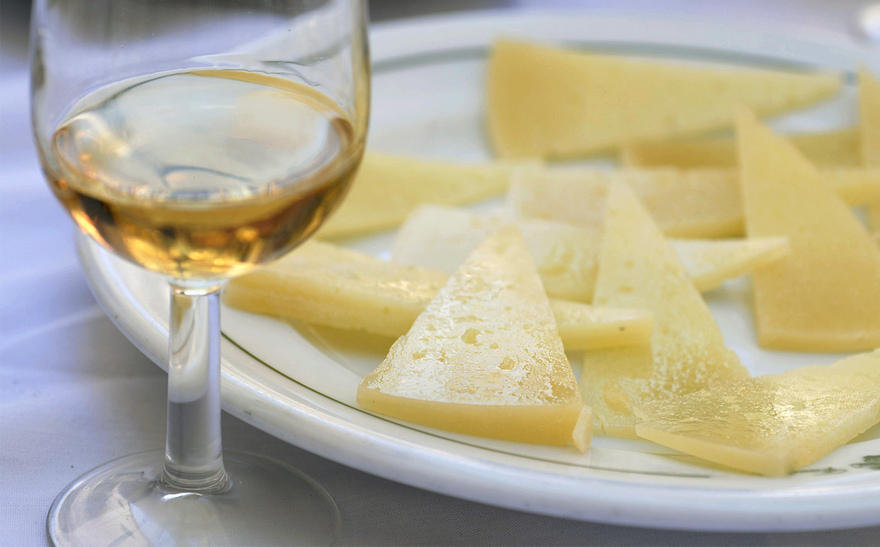 Fino – dry sherry from Jerez de la Frontera and El Puerto de Santa Maria.
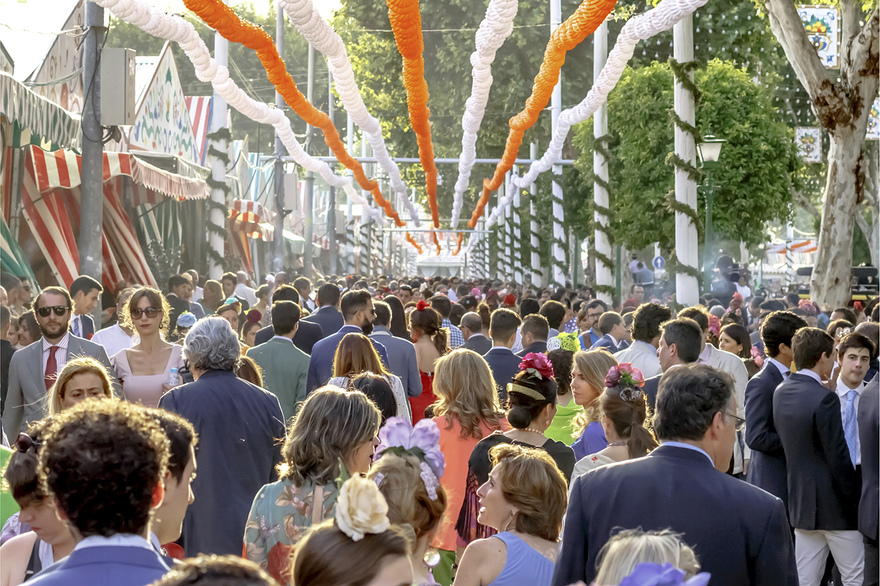 A glossary for the Seville Feria