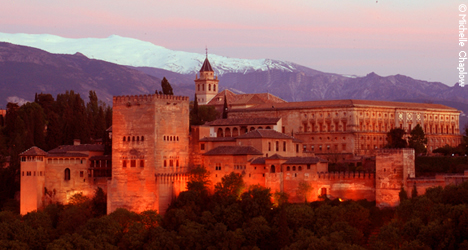
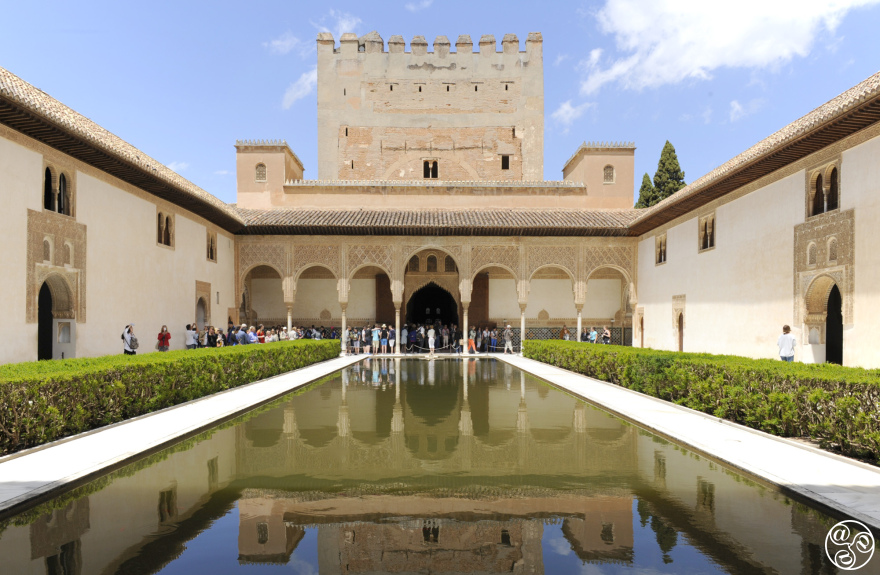
 The Alhambra the most visited UNESCO World Hertitage site In Andalucia © Michelle Chaplow
UNESCO World Heritage Sites in Andalucia
WORLD HERITAGE SITES
Andalucia boasts an impressive number of UNESCO World Heritage sites, from the so-called “Golden Triangle” of Seville, Cordoba, and Granada with their outstanding Islamic and Gothic architecture, to the lesser-known Renaissance towns of Úbeda and Baeza, in Jaén province. Birdwatchers shouldn’t miss Doñana National Park, while Antequera’s dolmens are a prehistoric source of mystical wonder.
A UNESCO World Heritage Site is a place (either a natural feature, such as a forest, mountain, lake or desert; or a manmade item, such as a monument, building or city) that is listed by UNESCO (the United Nations Educational, Scientific and Cultural Organization) as of special cultural, historical, architectural or physical significance, and outstanding universal value, which should be conserved for the common heritage of humanity. The programme was founded in 1972. Some sites are eligible for special funding.
Andalucia has eight UNESCO World Heritage sites inscribed on the list - seven cultural and one natural.
Most of the cultural sites are located in or near cities or towns, most significantly the three great Muslim centres of power: Granada, Seville, and Cordoba; and Ubeda and Baeza.
The World Heritage sites in Andalucia are, by category:
Cultural
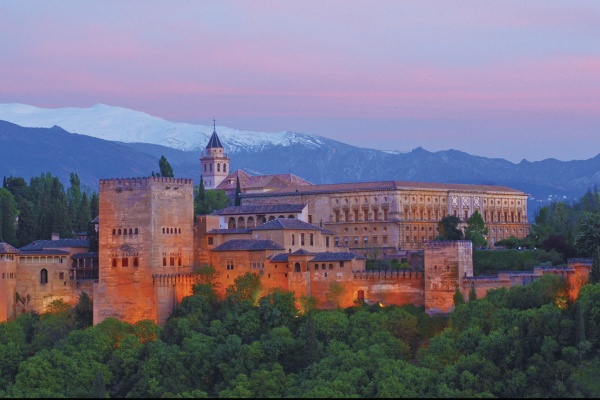
- Alhambra, Generalife and Albayzín (Granada)
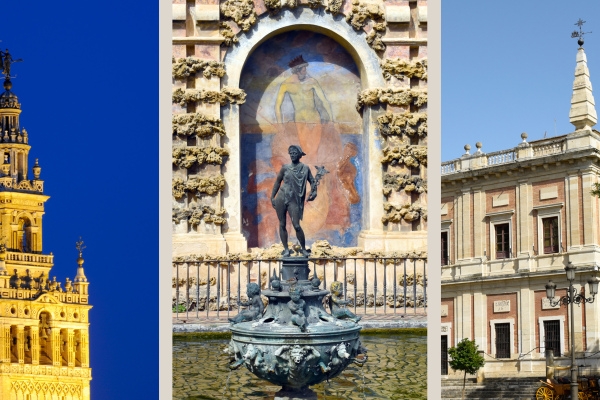
- Cathedral, Alcázar and Archivo de Indias (Seville)
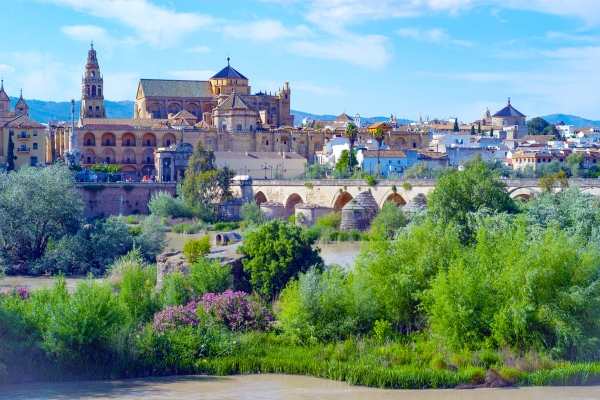
- Historic City Centre of Cordoba (including the Mezquita)
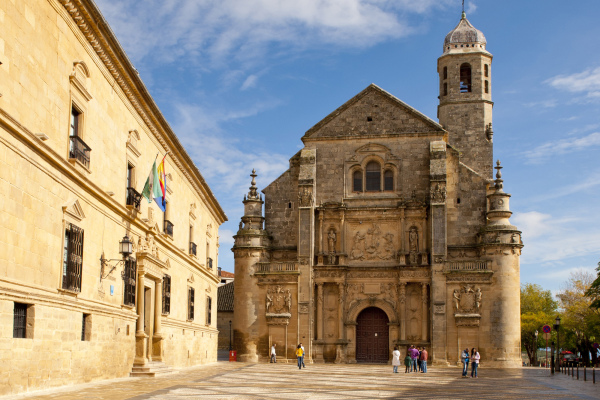
- Renaissance Monumental Ensembles of Úbeda and Baeza
- 68 items of cave art in Almeria, Granada and Jaen provinces, which is included in Rock Art of the Mediterranean Basin on the Iberian Peninsula;
- Caliphate City of Madinat al-Zahra near Cordoba
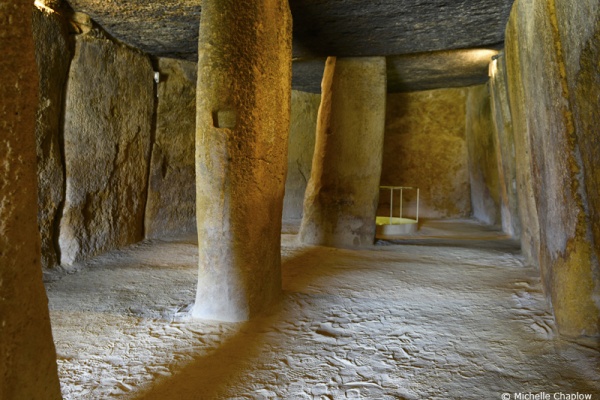
- Antequera Dolmens in Malaga province is the most recently listed site (2016). Officially, a cultural site, although it is recognised for its integration between human architecture and the surrounding natural landscape
Natural
The natural World Heritage Sites is:
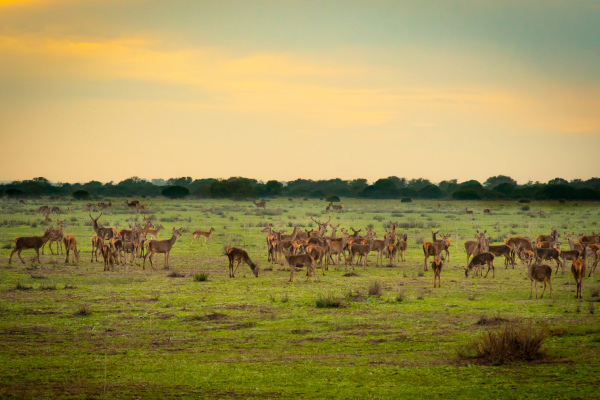
- Doñana National Park in Huelva province
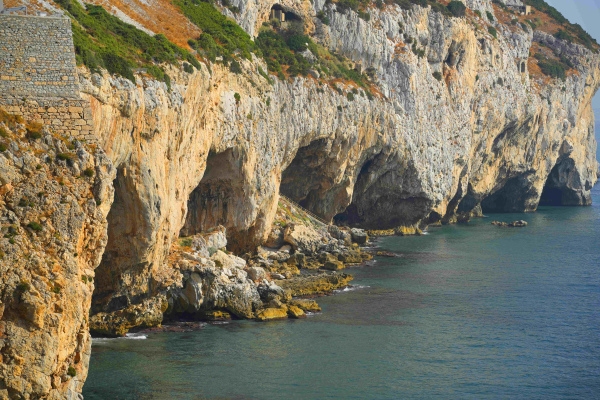
Close to Andalucia, on the Rock of Gibraltar, is the Gorham's Cave Complex, also added in 2016.
There are currently 1248 UNESCO World Heritage sites (as of August 2026), with Italy having the most (62). Spain has 50 sites in total: 44 cultural, four natural and two mixed sites.
to here
The Spanish for "World Heritage" is Patrimonio Mundial. The list is maintained by the International World Heritage Programme, administered by the UNESCO World Heritage Committee, composed of 21 state parties (countries) which are elected by their General Assembly for a four-year term.


Intangible Cultural Heritage
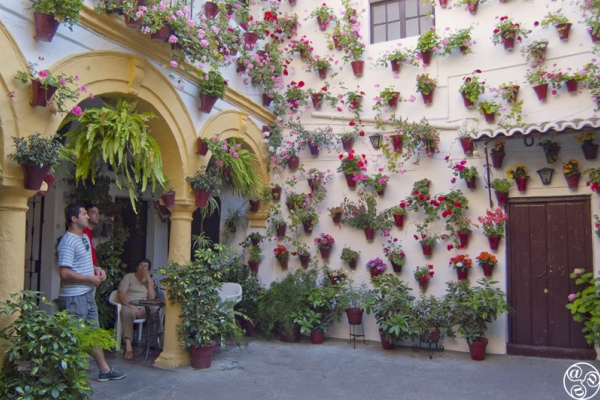
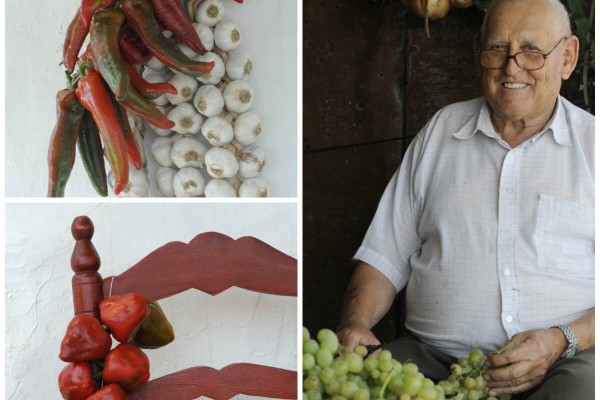
As well as buildings and natural features, UNESCO now has a list of Intangible Cultural Heritage of Humanity (Patrimonio Inmaterial de la Humanidad), which encompasses cultural traditions, practices and crafts, specifically “oral traditions, performing arts, social practices, rituals, festive events, knowledge and practices concerning nature and the universe or the knowledge and skills to produce traditional crafts.” These are defined as being traditional, contemporary and living; inclusive; representative; and community-based.




TENTATIVE LISTS
A Tentative List is an inventory of those properties which each country intends to consider for nomination. A site cannot be nominated for World Heritage status until it has been listed. Spain has 35 on this list, of which eight are in Andalucia (seven cultural and one natural).
Cultural
- Mining Historical Heritage (27/04/2007) (includes Rio Tinto, Villanueva del Rio y Minas, Linares-La Carolina Mining District, Alto Guadiato Mining District, Sierra Almagrera Mining District, Rodalquilar Mines).
- Jaén Cathedral (extension of the Renaissance Monumental Ensembles of Úbeda and Baeza) (27/01/2012)
- Monastery of Santa María de La Rábida and the Columbus Memorial Places in Huelva (29/01/2016)
- The Olive Grove Landscapes of Andalusia includes Jaén, Córdoba, Granada, Seville, Cadiz, and Malaga (27/1/17)
- The Wine in Iberia (5/2/2018) multi-regional nomination including Andalusia's ancient sherry and wine-producing terraces
- The Hadrianic City of Itálica, Seville (1/2/2019)
- Carmona's Cultural Landscape, Seville (26/12/2023)
Natural
- The Geode of Pulpí, Almería (17/3/2025)
UNESCO BIOSPHERE RESERVES in Andalucia
These are distributed across 31 countries in the region.
The UNESCO World Network of Biosphere Reserves covers internationally-designated protected areas, known as biosphere reserves, that are meant to demonstrate a balanced relationship between man and nature (e.g. encourage sustainable development).
In 2026 there were 797 UNESCO biosphere reserves in 145 countries. Spain leads the world with 55 UNESCO Biosphere Reserves. In Andalucia there are nine, namely:
- Grazalema (1977)
- Doñana (1980)
- Las Sierras de Cazorla y Segura (1983)
- Marismas del Odiel (1983)
- Sierra Nevada (1986)
- Sierra de las Nieves y su Entorno (1995)
- Cabo de Gata-Nijar (1997)
- Las Dehesas de Sierra Morena (2002)
- Intercontinental Biosphere Reserve of the Mediterranean includes southern Andalusia and northern Morocco (2006)